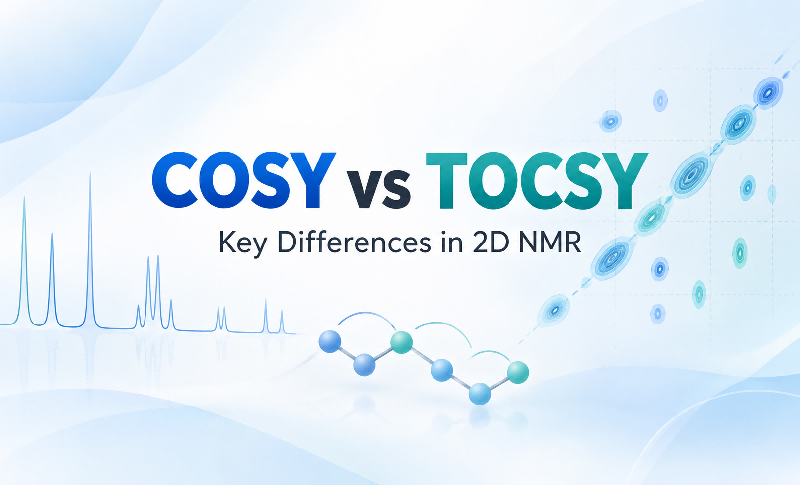
For structural analysis of complex organic molecules and natural products, 2D homonuclear scalar-correlation NMR experiments are among the most useful tools for resolving ambiguities caused by overlapping signals in 1D spectra. Among the most widely used 1H-1H correlation experiments, COSY and TOCSY answer two different but complementary questions. COSY is mainly used to trace local proton-to-proton connectivity through observable J couplings, while TOCSY extends magnetization transfer through a continuous coupling network and helps identify all observable members of the same spin system. In practical terms, COSY helps answer "Which protons are coupled to each other?", while TOCSY helps answer "Which protons belong to the same spin system?" This article walks through the two experiments from pulse-sequence principles to practical spectrum interpretation, explaining their key differences and how they can be used together in 2D NMR spectroscopy. 1. Core Functions of COSY and TOCSY COSY, or Correlation Spectroscopy, and TOCSY, or Total Correlation Spectroscopy, both use scalar coupling, or J coupling, to provide proton correlation information through chemical bonds. However, the type of structural information they are designed to reveal is different. Consider a continuously coupled proton chain: H1 → H2 → H3 → H4 COSY: Local Coupling Connectivity COSY primarily detects directly observable scalar couplings between pairs of protons. The most common correlations arise from 2JHH and 3JHH couplings, for example: H1 ↔ H2H2 ↔ H3H3 ↔ H4 These pairwise correlations allow researchers to build the local proton connectivity step by step. In other words, a COSY spectrum is particularly useful when the goal is to reconstruct the sequential relationship between neighboring or otherwise detectably coupled protons. Note: COSY correlations are not restricted to two-bond and three-bond couplings. In allylic systems, aromatic systems, or rigid W-type geometries, a sufficiently strong 4J coupling, typically greater than about 1.5 Hz, may also generate a COSY cross peak. Therefore, the presence of a cross peak alone should not be taken as proof that two nuclei are directly adjacent in the molecular structure. TOCSY: Assignment of an Entire Spin System TOCSY takes a different approach. Through magnetization transfer across a J-coupled network, protons within the same continuous spin system can become correlated even when two particular protons do not show a strong direct coupling to each other. Its main purpose is therefore not to determine the direct connectivity of every proton pair. Instead, TOCSY is used to identify and group multiple protons that belong to the same spin system. For example, if H1, H2, H3, and H4 form a continuous coupling network, magnetization can propagate through the sequence: H1 → H2 → H3 → H4 As a result, correlations between more distant members of the system may appear in the TOCSY spectrum. Note: A...
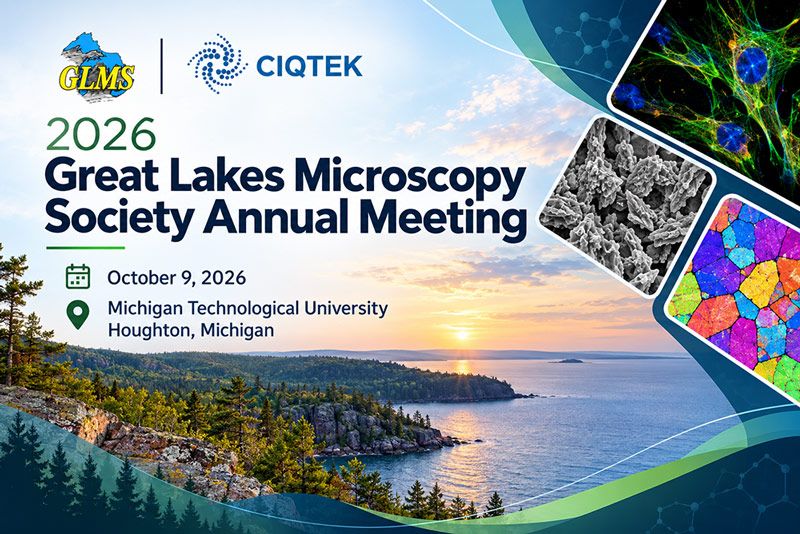
View MoreCIQTEK will participate in the 2026 Great Lakes Microscopy Society (GLMS) Annual Meeting on October 9, 2026, at Michigan Technological University in Houghton, Michigan. The meeting brings together researchers, students, and microscopy professionals working across electron microscopy, microanalysis, materials science, and biological research. Meet the CIQTEK U.S. EM Team At GLMS 2026, CIQTEK will showcase its electron microscopy solutions for a wide range of research applications. Our portfolio includes field emission SEM, tungsten SEM, high-speed SEM, and FIB-SEM. Our U.S. Electron Microscopy Team will be on-site to connect with attendees and discuss real microscopy applications and workflow needs. Experienced EM Solution Managers will also be available to answer technical questions and help researchers explore suitable microscopy solutions for their labs. Date: October 9, 2026Location: Michigan Technological University, Houghton, Michigan, USA See you at GLMS 2026!
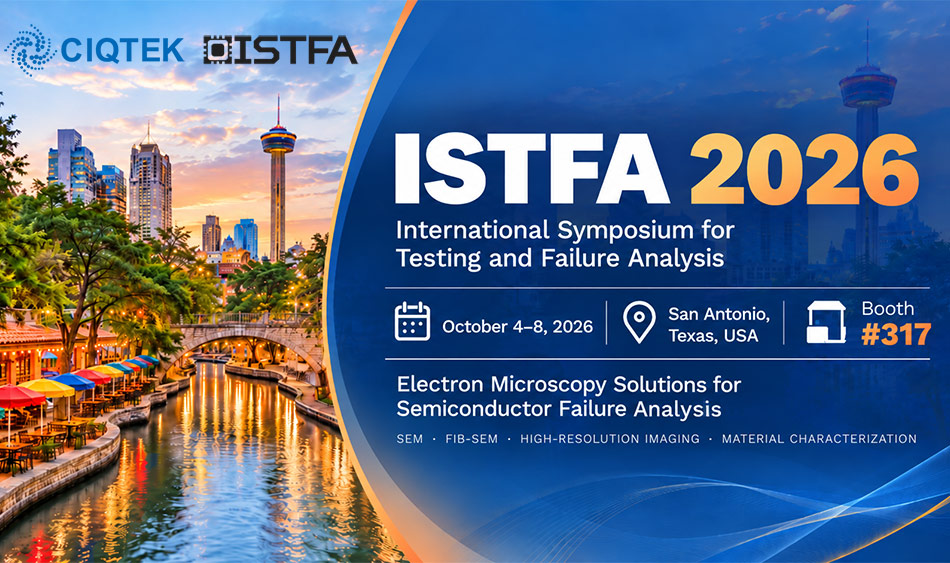
View MoreCIQTEK will participate in ISTFA 2026, the 52nd International Symposium for Testing and Failure Analysis, taking place from October 4 to 8 in San Antonio, Texas. Visit us at Booth #317 to explore CIQTEK SEM and FIB-SEM solutions for semiconductor failure analysis, defect characterization, and advanced electron microscopy. Our U.S. Electron Microscopy Team, including experienced EM Solution Managers, will be on site to discuss your applications and help identify the right microscopy solutions for your lab. Meet the Failure Analysis Community at ISTFA 2026 Organized by ASM International, ISTFA is a leading international event for microelectronics testing and failure analysis, bringing together engineers, researchers, laboratory professionals, and technology providers from the semiconductor industry. The conference focuses on real-world challenges in failure analysis, device characterization, microscopy, defect localization, reliability, and related technologies. SEM for Semiconductor Failure Analysis As semiconductor devices become smaller and more complex, failure analysis requires high-resolution imaging and reliable information from increasingly fine structures. CIQTEK offers a range of field emission scanning electron microscopes, including the SEM5000X, SEM5000, and SEM4000Pro, for semiconductor and advanced materials characterization. Our SEM solutions can support applications such as: Semiconductor device and wafer inspection Surface defect and morphology analysis High-resolution low-kV imaging BSE imaging for material contrast Particle and contamination analysis Electronic components and packaging characterization Low-kV SEM imaging is especially valuable when examining fine surface structures and sensitive features. Combined with flexible detector options and BSE imaging, it helps researchers obtain both structural and material information from complex samples. Go Deeper with FIB-SEM Not every failure can be understood from the surface. For buried defects, interfaces, and internal structures, FIB-SEM combines focused ion beam processing with high-resolution SEM imaging, enabling targeted cross-section preparation and analysis within the same system. CIQTEK DB550 FIB-SEM systems support applications including site-specific cross-sectioning, internal defect investigation, multilayer structure analysis, interface characterization, and advanced sample preparation. This gives failure analysis teams a powerful way to move from locating a problem to investigating what is happening beneath the surface. Talk with Our U.S. EM Team at Booth #317 Choosing the right electron microscope is not only about specifications. Sample type, imaging requirements, throughput, workflow, chamber capacity, detectors, and future applications all matter. That is why our U.S. Electron Microscopy Team will be on site at ISTFA 2026, with experienced EM Solution Managers available to answer technical questions and discuss your specific applicat...
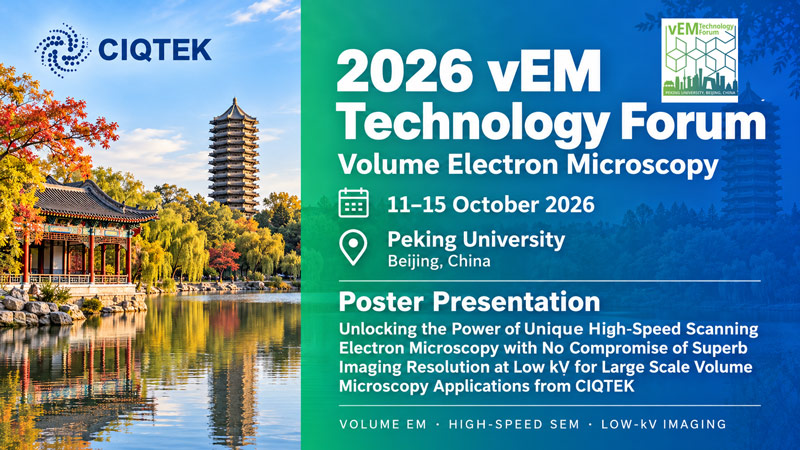
View MoreCIQTEK will join the 2026 vEM Technology Forum at Peking University in Beijing, showcasing our latest Volume Electron Microscopy (Volume EM) solutions. Visitors can meet the CIQTEK team at our booth to explore how high-speed SEM, low-kV high-resolution imaging, automated large-area acquisition, and 3D reconstruction can help researchers handle increasingly large and complex volume microscopy datasets. CIQTEK Poster Presentation At the forum, Xin Ren (Luke), CIQTEK Senior Electron Microscopy Solution Manager, will present our latest work on high-speed SEM for large-scale Volume EM. Poster Title:Unlocking the Power of Unique High-Speed Scanning Electron Microscopy with No Compromise of Superb Imaging Resolution at Low kV for Large Scale Volume Microscopy Applications from CIQTEK The poster will explore how the HEM6000 combines high imaging speed, strong low-kV resolution, large-area imaging, and intelligent automation to support large-scale Volume EM workflows. Meet CIQTEK in Beijing The 2026 vEM Technology Forum brings together researchers and microscopy experts to exchange ideas around Volume EM technologies, workflows, automation, large-scale imaging, data processing, and emerging applications. We look forward to meeting the vEM community, sharing our latest developments, and hearing about the real imaging challenges researchers are working on. Visit the CIQTEK booth, meet our EM team, and discover what high-speed Volume EM can bring to your research. Date: October 11–15, 2026Location: Peking University, Beijing, China See you in Beijing!
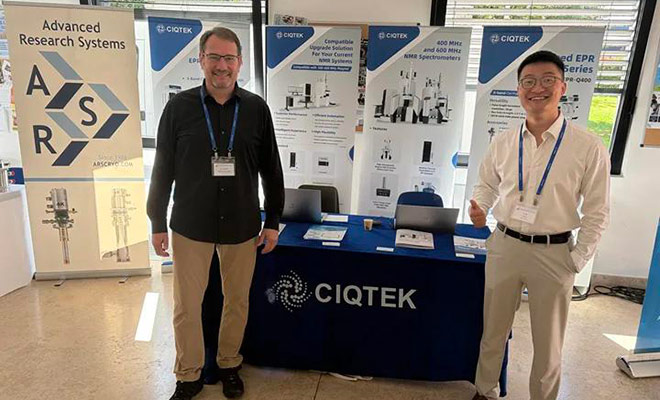
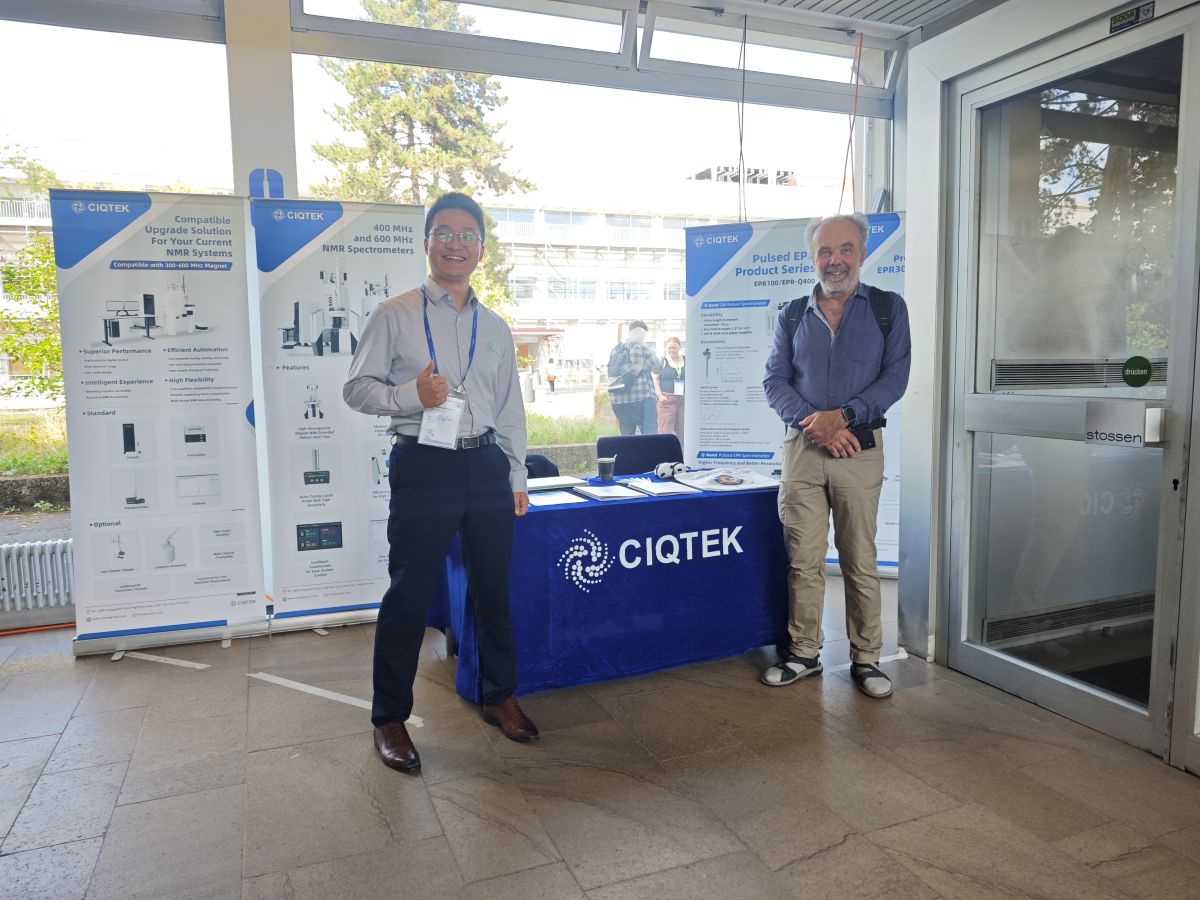
View MoreCIQTEK has successfully wrapped up its participation at SCM2026, the Spin Chemistry Meeting in Padua, Italy. The meeting brought together researchers working in spin chemistry and related fields, creating a valuable opportunity for the CIQTEK European Magnetic Resonance Team to connect with the scientific community and exchange ideas around EPR, NMR, and advanced magnetic resonance applications. During SCM2026, the CIQTEK team also introduced its latest EPR and NMR solutions, including modernization and upgrade options designed to help researchers extend the capabilities and service life of their existing magnetic resonance systems. For CIQTEK, the meeting was not only about presenting technology. It was also another opportunity to listen to researchers, understand their needs, build new connections, and continue strengthening CIQTEK's magnetic resonance presence in Europe. Connecting with the Spin Chemistry Community at SCM2026 Spin chemistry brings together researchers from a range of scientific backgrounds, with Electron Paramagnetic Resonance (EPR) and Nuclear Magnetic Resonance (NMR) playing important roles in understanding molecular structures, dynamics, reaction mechanisms, and other fundamental processes. SCM2026 provided a focused environment for researchers to exchange ideas and discuss developments in the field. Throughout the meeting, the CIQTEK European Magnetic Resonance Team connected with researchers and discussed their work in spin chemistry, EPR, NMR, and related magnetic resonance applications. At the Spin Chemistry Meeting 2026, CIQTEK shared its growing portfolio of EPR and NMR solutions with the research community. CIQTEK's EPR spectrometer solutions are designed to support researchers studying systems containing unpaired electrons and can serve a wide range of research areas and experimental requirements. CIQTEK's NMR spectrometer solutions provide another important platform for researchers who need detailed information about molecular structure and behavior. By developing both EPR and NMR technologies, CIQTEK continues to expand its capabilities across magnetic resonance and provide researchers with more options for their laboratories. Just as importantly, our conversations at SCM2026 were not limited to new instruments. EPR and NMR Modernization and Upgrade Solutions Many laboratories already have EPR or NMR systems that have supported their research for years. In these cases, purchasing a completely new system is not always the only option. At SCM2026, CIQTEK also introduced its EPR modernization and upgrade and NMR modernization and upgrade solutions. These solutions are designed for laboratories looking to extend the capabilities and useful lifetime of existing magnetic resonance systems. Depending on the existing instrument and research requirements, modernization can provide a practical path for updating key parts of the...
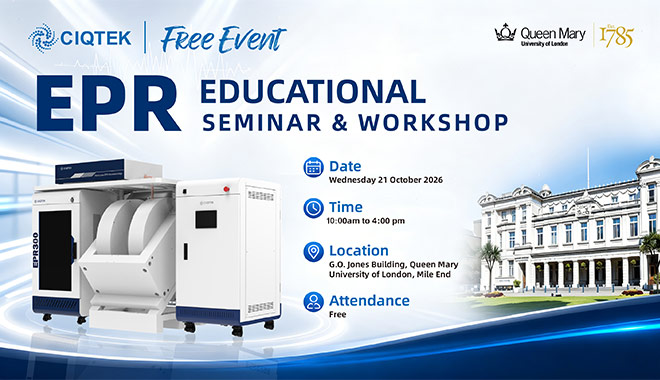
View MoreCIQTEK and Queen Mary University of London invite researchers, scientists, laboratory managers, and technical specialists to join a free EPR seminar and workshop in London on October 21, 2026. Bringing together EPR experts from leading universities across Europe, this one-day event will introduce the fundamentals of Electron Paramagnetic Resonance (EPR) spectroscopy, share current research applications and case studies, and offer practical guidance for researchers who are using EPR or considering it for their work. The event is free to attend, and lunch and refreshments will be provided. Places are limited, so early registration is recommended. Register now: https://buff.ly/MwgaNlw EPR Seminar and Workshop Event Information Date: Wednesday, October 21, 2026Time: 10:00 am to 4:00 pmLocation: G.O. Jones Building, Queen Mary University of London, Mile End, LondonAttendance: FreeCatering: Lunch and refreshments included Explore EPR Spectroscopy from Fundamentals to Real Applications EPR spectroscopy is a powerful technique for studying materials and systems containing unpaired electrons. It can provide valuable information about free radicals, defects, transition-metal ions, paramagnetic centers, and many other systems that can be difficult to study using other analytical methods. But what can EPR actually tell you about your samples? Is EPR suitable for your research? And what should you consider when choosing or using an EPR spectrometer? This EPR seminar and workshop is designed to answer these questions in a practical and accessible way. During the event, attendees will explore: The fundamentals of EPR spectroscopy and how the technique works What EPR can reveal about materials containing unpaired electrons Current EPR research applications and case studies from leading institutions How to determine whether EPR is suitable for your samples and research goals Practical considerations when selecting and using advanced EPR instrumentation Opportunities to discuss research questions directly with experienced EPR specialists The programme will also include a laboratory visit and potential live demonstrations, giving attendees an opportunity to connect the theory discussed during the seminar with real EPR experiments and instrumentation. Meet Leading EPR Researchers and Specialists A key part of the workshop is the opportunity to hear directly from researchers and specialists working with EPR across different scientific fields. The current speaker and specialist lineup includes: Dr. Junjie LiuLecturer in Physics and Royal Society University Research FellowQueen Mary University of London Dr. Alice BowenReader in Analytical, Measurements and Physical ChemistryThe University of Manchester Prof. Eric McInnesProfessor of Inorganic ChemistryThe University of Manchester Dr. Will MyersScientific Applications Manager, Department of ChemistryUniversity of Oxford Prof. Dr. Joris van SlagerenProfessor, Institut...
View MoreThe 47th FGMR Annual Discussion Meeting 2026 was held from September 14 to 17, 2026, at the Philosophicum on the campus of Johannes Gutenberg University Mainz, Germany. As the annual meeting of the Division of Magnetic Resonance (FGMR) of the German Chemical Society (GDCh), the event brought together researchers from Germany and abroad to discuss electron paramagnetic resonance (EPR), nuclear magnetic resonance (NMR), and related instrumentation. The scientific program covered classical solution- and solid-state methods, as well as emerging topics including hyperpolarization, molecular dynamics and diffusion, magnetic-resonance imaging, and instrumentation. Throughout the meeting, academic presentations, poster sessions, discussions, and an industrial exhibition provided opportunities for participants to exchange views on recent developments, research methods, and practical applications in magnetic resonance. CIQTEK was listed among the gold sponsors on the official conference website and participated in the meeting. During the event, the CIQTEK team engaged with participants in discussions on magnetic-resonance technology, research applications, and instrumentation, gaining further insight into the priorities and practical needs of the international magnetic-resonance community. CIQTEK thanks the FGMR 2026 organizing committee and all participants for the valuable exchange and support. CIQTEK will continue to follow developments in magnetic-resonance technology and research applications while actively engaging with the international scientific and industrial community.
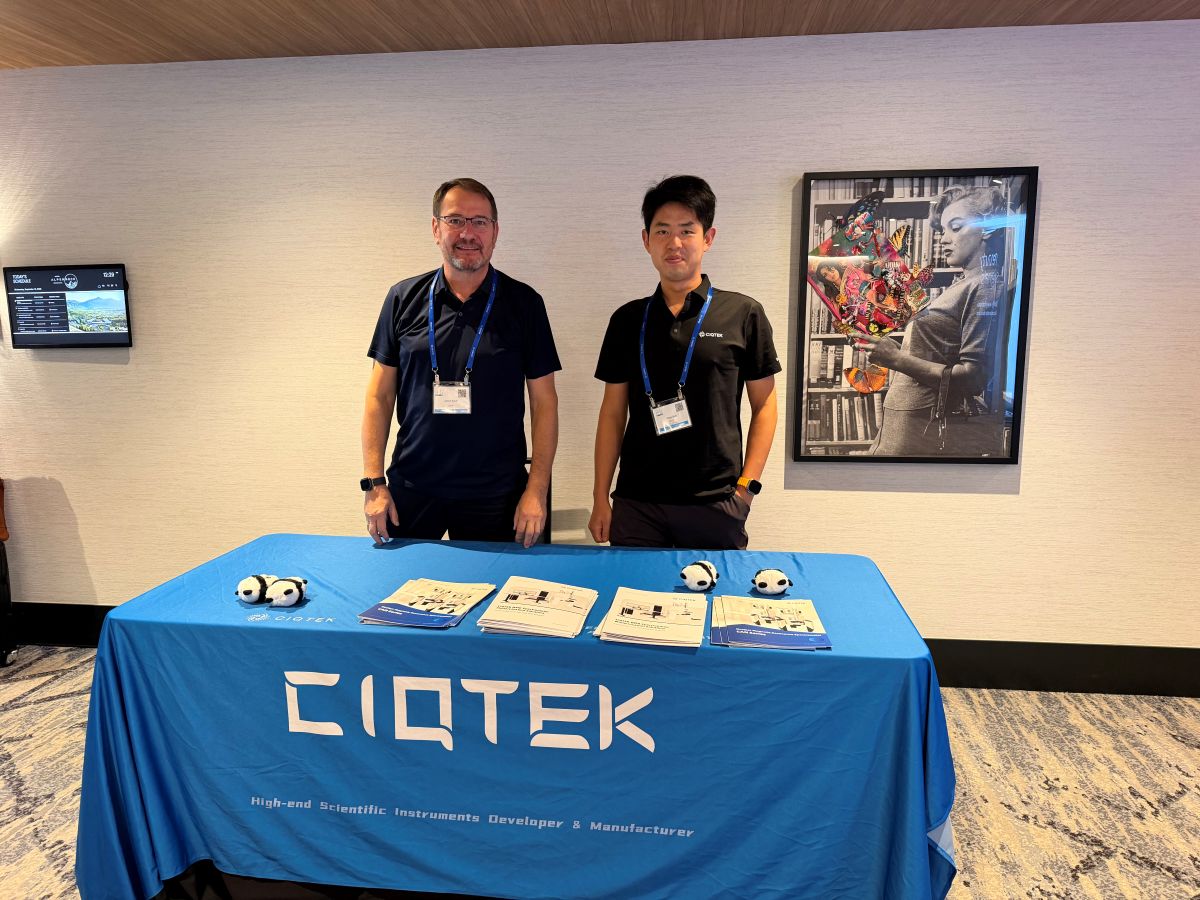
View MoreCIQTEK has wrapped‑up its participation in SMASH 2026, the premier small‑molecule NMR conference held September 13‑16, 2026 in Breckenridge, Colorado, USA. This prominent event brings together academic and industrial NMR specialists to exchange insights on the latest NMR methodologies, real‑world industrial applications and hands‑on molecular structure elucidation workflows. Our U.S. NMR team engaged in broad‑ranging technical exchanges with conference attendees. Discussions covered NMR instrument selection, new‑system deployment and spectrometer upgrade‑related topics. A key topic of interest was our NMR Spectrometer Modernization & Upgrade Solution. For laboratories with functional 300‑600 MHz existing magnets, CIQTEK can upgrade core components including console, preamplifier, probe, software, auto sample changer and amplifiers. This solution improves system performance, stability and automation, extends spectrometer service life, and serves as a cost‑effective alternative to full‑system replacement. CIQTEK’s magnetic‑resonance portfolio also includes CAN400 and CAN600 NMR spectrometers, as well as comprehensive EPR spectroscopy solutions for research into radicals, transition‑metal complexes, catalysis and materials science. Valuable feedback from the North‑American NMR community was collected throughout the conference. These inputs will inform our continued development of magnetic‑resonance instrumentation tailored to real‑world research requirements. If you would like to learn more about our NMR systems or spectrometer modernization service, please reach out to [email protected]
View More
No. 1969, Kongquetai Road, High-tech Zone, Hefei, Anhui, China
+8615156059133
+8613083191369
[email protected]
Sitemap | XML | Blog | Privacy Policy | IPv6 network supported