Sink Drain Black Mold: Health Risks Homeowners Should Know
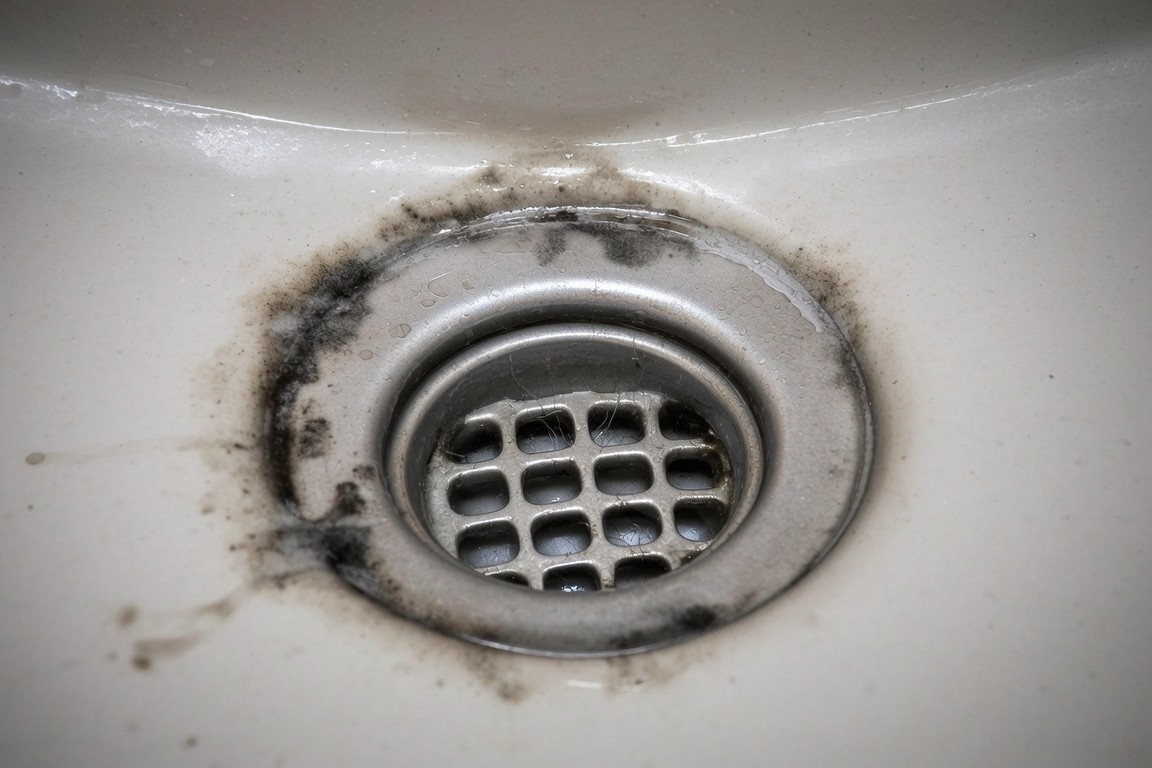
That slimy dark ring lurking just inside your kitchen or bathroom drain is not something to shrug off. Many homeowners notice the discoloration, give it a quick scrub, and move on without a second thought. Yet the question of whether black mold in sink drain dangerous situations pose a real threat comes up more often than you might expect, and the honest answer is that it deserves your attention. As a trusted carpet cleaning company in Rochester, MN, we regularly help families understand where hidden moisture problems begin and how to keep them from spreading.
Drains are the perfect breeding ground for mold. They stay damp, they collect organic material like food particles and soap residue, and they rarely see sunlight or fresh air. When you combine those conditions, you create an environment where mold colonies can settle in and quietly multiply. Understanding the risks is the first step toward protecting your home and the people in it, preventing the need for a more serious mold remediation in Rochester and its neighboring cities.
Why Mold Loves Your Sink Drain
Mold spores are everywhere in the air, and they only need three things to thrive: moisture, warmth, and a food source. Your sink drain checks every box. Standing water in the P-trap keeps things humid, the pipes hold heat from warm water, and the leftover bits of food, grease, hair, and soap scum provide plenty to feed on. It is not a matter of poor housekeeping. Even the cleanest kitchens and bathrooms can develop that telltale dark buildup over time.
The black or dark green film you see near the opening of the drain is often a mix of bacteria and mold. While not every dark spot is toxic mold, some drains do harbor Stachybotrys chartarum, the species commonly called black mold. Because the growth sits partly out of view, it can expand well beyond what you notice on the surface, sometimes coating the interior of the pipe.
Is Black Mold in a Sink Drain Dangerous?
This is the heart of the matter for most homeowners, and the concern is valid. When people ask whether black mold in sink drain dangerous conditions can actually affect their health, the answer depends on the type of mold, how much of it is present, and how sensitive the people in the home are. Mold releases microscopic spores into the air, and every time you run the faucet or use the disposal, those spores can become airborne and travel throughout the room.
For most healthy adults, brief exposure to small amounts may cause little more than mild irritation. But for children, older adults, and anyone with asthma, allergies, or a weakened immune system, the effects can be more serious. Repeated exposure to mold spores has been linked to a range of respiratory and allergic reactions, which is why it is never wise to ignore persistent growth in a spot you use every single day.
Common Health Symptoms to Watch For
People who live with ongoing mold exposure sometimes experience symptoms without connecting them to the source. Keep an eye out for the following signs, especially if they seem to improve when you spend time away from home:
- Nasal congestion, sneezing, or a runny nose that lingers
- Coughing, wheezing, or shortness of breath
- Itchy or watery eyes and skin irritation
- Headaches or unusual fatigue
- Worsening asthma symptoms in those who already have the condition
If members of your household are dealing with these issues and you have spotted dark buildup in a drain, it is worth investigating further. Whether black mold in sink drain dangerous enough to trigger these reactions in your particular home often comes down to how long the problem has gone unaddressed.
How to Clean a Moldy Sink Drain Safely
The good news is that surface mold in a drain is usually something you can tackle yourself with a few basic supplies. Start by protecting yourself with rubber gloves and, ideally, a mask so you are not inhaling spores while you work. Ventilate the room by opening a window or running a fan. A simple and effective approach uses items you likely already have on hand.
Pour a generous amount of baking soda into and around the drain, then follow it with white vinegar. Let the mixture fizz and sit for several minutes to loosen the buildup. Use an old toothbrush or a bottle brush to scrub the visible rim and as far down the drain as you can safely reach. Finish by flushing the drain with boiling water to wash away loosened debris and lingering spores. For the disposal, you can grind a mixture of ice and coarse salt to help scour the interior, then rinse thoroughly. Repeating this routine every couple of weeks goes a long way toward keeping regrowth at bay.
Avoid mixing bleach with other cleaning products, as that can create dangerous fumes. If you choose to use a diluted bleach solution, do so on its own and with plenty of ventilation. Consistency matters more than harsh chemicals. A regular light cleaning prevents the heavy buildup that becomes so hard to remove later.
When Drain Mold Signals a Bigger Problem
Sometimes mold in a drain is just the visible tip of a much larger issue. If the growth keeps returning no matter how often you clean, or if you notice a persistent musty odor even after scrubbing, the mold may extend deeper into your plumbing or into areas you cannot see, such as beneath the sink, behind the cabinet, or inside the wall. Slow leaks under a vanity or kitchen base cabinet create exactly the kind of damp, hidden environment where mold spreads unchecked.
Water damage from an old leak can allow mold to colonize wood, drywall, and insulation long before you spot anything on the surface. In these cases, cleaning the drain alone will not solve the problem, and the question of whether black mold in sink drain dangerous becomes secondary to a whole structural concern. This is where professional help makes a genuine difference. Trained technicians can identify the true source of moisture, assess how far the growth has spread, and remove it safely without releasing spores throughout your home. Our team offers professional mold remediation in Onalaska, Rochester, and neighboring communities, giving families reliable answers when a simple cleaning is not enough.
Preventing Mold Before It Starts
Prevention is always easier than remediation. Keeping your drains clean and dry drastically reduces the odds of mold taking hold. Run hot water down the drain after each use to flush away grease and food particles. Avoid pouring oils and fatty substances into the sink, since those coat the pipe walls and feed mold. Managing overall humidity in kitchens and bathrooms with exhaust fans also helps, because drier air discourages spore growth throughout the room.
Address leaks the moment you notice them. A dripping faucet or a slow drip under the cabinet may seem minor, but that steady moisture is an open invitation for mold. Wiping down the area beneath your sink periodically lets you catch small leaks before they turn into major water damage.
To sum it up, a dark ring in your drain is worth taking seriously, particularly for households with young children, older adults, or anyone with respiratory sensitivities. Regular cleaning handles most surface growth, but recurring mold, musty smells, or hidden leaks are signals that a deeper problem may be at work. When cleaning is not enough and you want peace of mind, reach out to our team serving Rochester, La Crosse, and the surrounding areas. We are here to help you keep your home healthy, dry, and mold-free for years to come.