Amor: The Roman Personification of Love
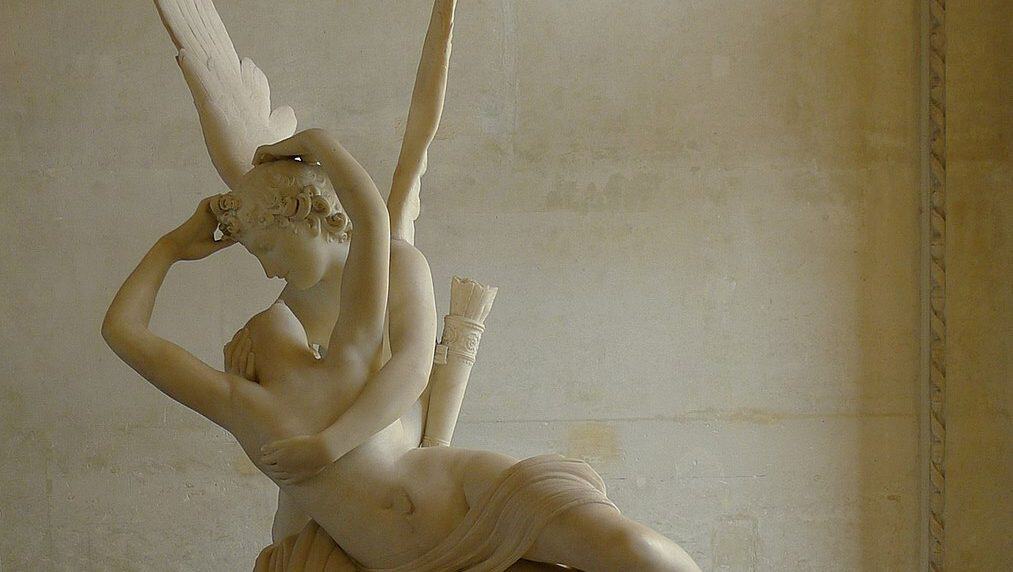
How Roman poets turned amor, the Latin word for love, into a character, a tyrant, and a cosmic force — sometimes all at once.
Roman gods and deities formed a vast, layered pantheon that touched nearly every part of Roman life: state power, public ritual, household worship, and personal fate.
This category gathers the three groups that structured that world: the Major Gods, who ruled the central forces of the cosmos and the state; the Minor Deities, who governed specific corners of nature, labor, and daily life; and the Personifications, which gave divine form to ideas like victory, duty, and fate.
For every Roman god in one place, see All Roman Gods: The Complete List.
How Roman poets turned amor, the Latin word for love, into a character, a tyrant, and a cosmic force — sometimes all at once.
The Roman goddess of silence and secrets, whose bound and sealed statue guarded the hidden name of Rome itself.
How Augustus made Apollo his divine patron — and let Rome believe the god was the emperor's own father.
Apollo was the god who knew the future — and dispensed it at Delphi in just enough measure to ruin the confident.
Apollo's oldest Roman role: the archer whose arrows both spread plague and cured it, worshipped as healer and destroyer at once.
Apollo as leader of the Muses and lord of divine music — and why Romans believed ordered sound came from the gods themselves.
The Roman god of light, prophecy, poetry, and healing — the one Greek god Rome kept unchanged and made patron of the emperor.
The Roman goddess of the dawn who opened heaven's gates each morning for the sun — eternal, unfailing, and never given a temple.
The Roman god of wine, ecstasy, and transformation, whose worship the Senate outlawed in 186 BCE as a criminal conspiracy.
The Roman goddess of war's fury, honored in the rites that declared Rome's wars and served by priests who spilled their own blood.
The 'Good Goddess' of Rome's women, whose secret rites men were forbidden to witness — and the scandal that shook the late Republic.
The Roman goddess of the door hinge — guardian of the threshold and protector of the home against the dangers of the night.
The ancient Roman goddess of prophecy and childbirth, credited with inventing the Latin alphabet and woven into Rome's founding.
The Roman goddess of grain and agriculture — the source of the word 'cereal' and of one of Rome's most politically charged temples.
The Roman goddess of harmony and civic unity, whose temples rose again and again each time Rome nearly tore itself apart.
The Roman god of stored grain, whose buried altar was opened just twice a year — once for the abduction of the Sabine women.
How Rome turned Cupid from a primordial cosmic force into the winged, arrow-bearing boy we picture today.
An ancient Roman goddess of the fields, served by a priesthood that kept records for five centuries and sang one of Latin's oldest hymns.
Why the virgin huntress Diana was also Rome's goddess of childbirth — the maiden who brought children into the light.
Diana as the triple goddess — moon in the sky, huntress on earth, mistress of the crossroads — one name spanning the whole cosmos.
The Roman goddess of the hunt, the moon, and the wild — a native Italian power who ruled the boundaries between one world and the next.
The ambiguous Roman goddess of women and the wild — counterpart of Faunus, and so old her identity had blurred with Bona Dea's.
One of Rome's oldest gods — a woodland deity of prophecy and fertility who spoke through nightmares and inspired blessing and fear alike.
The Roman god of the west wind whose arrival ended winter — the breath that told Romans spring, planting, and sailing had come.
An ancient Italian goddess of wilderness and freedom who freed slaves, and whose priests walked barefoot over burning coals.
The Roman goddess of flowers and spring — patroness of the blossom every crop depended on, honored with the riotous Floralia.
The Roman goddess of luck and fate, invoked and feared above almost every other — mistress of the part of life beyond human control.
The Roman goddess so ancient that her own worshippers kept her festival and priesthood long after they'd forgotten what she governed.
Just how powerful was Jupiter? The god whose omens could halt elections, void laws, and force magistrates out of office.
The two-faced Roman god of doorways, beginnings, and time — invoked first in every prayer, and the source of the name January.
The queen of the Roman gods and protector of women, who fought Rome's founding through the Aeneid and was made supreme all the same.
Was Jupiter truly supreme, or bound by the Fates above him? The tension Rome's greatest god never fully resolved.
How Jupiter underwrote Roman law itself — witness to every oath, invoked before every war, the god perjury offended first.
King of the Roman gods, lord of the sky and thunder, and guardian of the Roman state.
King of the gods and guardian of Rome; god of the sky, thunder, and law.
The guardian spirits of the Roman household — gods particular to one house, one family, one patch of ground, honored every day.
The Roman goddess of thieves and false oaths, invoked to keep a crime hidden and a reputation clean — and Romans found her funny.
The Roman goddess of funerals whose temple also held the city's death records — as much a civic institution as a deity.
The Roman goddess who was the moon itself made divine — not a symbol of it, but the celestial body given a face and a will.
Mars Gradivus, god of the advance — the aspect of the war god who ruled the charged moment between preparation and battle.
How Mars was built into Rome's army — its calendar, its priesthoods, its sacred spears, and the legions' very sense of themselves.
The temple Octavian vowed to Mars in vengeance for Caesar's murder — Rome's most deliberate act of political theology.
The Roman god of war, agriculture, and Rome's founding — father of Romulus, patron of the legions, and once a god of farmers.
The Roman god of trade, messages, and boundaries — the swift divine go-between who became the most worshipped god in Gaul.
Born fully armed from Jupiter's skull, Minerva was Rome's goddess of wisdom and strategy and patron of nearly every skilled craft.
The Roman goddess who punished not the wicked but the excessive — anyone with more fortune or pride than the gods would allow.
The Roman god of the sea, horses, and earthquakes — lord of a navy-building empire who had almost no myths of his own.
The Roman goddess of peace whom Augustus set at the center of his program — an ideal turned into an argument about who deserved to rule.
Rome had three gods of the underworld and chose carefully among them — Pluto, lord of the dead and of the hidden wealth beneath the earth.
The maiden Pluto dragged underground to reign as queen of the dead — the same goddess Rome grew in its wheat and named in its curses.
The mysterious third god of Rome's supreme triad, beside Jupiter and Mars — the deified Romulus, and the god of the Roman people.
A complete reference index of the Roman pantheon, from the great gods of state to the deities of door hinges, stored grain, and volcanic vapor.
The Roman god of harvest and the lost Golden Age, whose temple held the state treasury and whose festival suspended every rule.
The Roman sun god who drove his chariot across the sky for centuries — then, declared unconquerable, nearly eclipsed every other god.
The Roman god of sleep and brother of Death, who presided over the nightly threshold Romans saw as a small death and rebirth.
Venus born from sea-foam and a sky god's wound — the violent origin behind mythology's most beautiful image.
One war god, dozens of names — how each epithet of Mars answered a different situation, need, and moment of Roman warfare.
Venus was never one goddess — Genetrix, Victrix, Verticordia — each face with its own temple, history, and claim on Roman life.
Rome's three Fates — one spun the thread of life, one measured it, one cut it — and not even Jupiter could undo the cut.
The gods of the Roman storeroom, owed the first share of every meal — guardians of both the household and the state itself.
The Dii Consentes, Rome's twelve principal gods — and why the list was never quite fixed says much about how Roman religion worked.
The Roman goddess of crossroads, night, and magic — worshipped where three roads met, because such places were never neutral ground.
The Sabine goddess of rest and leisure, remembered mainly because Horace wrote of idling beneath her ruined shrine.
How a goddess's love became Rome's founding myth — Venus, her mortal son Aeneas, and the line that led to Julius Caesar.
Venus and Cupid as a targeted operation — the disguised god sent to infect Dido with a love that would destroy her.
The famous affair of Venus and Mars — and why Rome saw love and war not as opposites but as the twin forces behind civilization.
The mismatched marriage of beauty and the forge — Venus given to the lame Vulcan, and why it was never going to work.
The Venus that Caesar claimed as ancestor — Venus Genetrix, the divine mother he vowed a temple to and set at his forum's heart.
Venus Victrix, the love goddess who brought victory — and the temple Pompey disguised as a theater to honor her.
Roman goddess of love, beauty, and desire, and through her son Aeneas, the divine mother of the Roman people.
The only major Roman goddess never shown in human form — her presence was the sacred hearth-fire itself, tended by the Vestals.
Victory itself made divine — Victoria was no metaphor but the goddess who marked which side the gods had chosen in battle.
The Roman god of fire and the forge, honored at the peak of summer's fire season with a bonfire fed by living fish.
Roman gods and deities formed a vast, layered pantheon that touched nearly every part of Roman life: state power, public ritual, household worship, and personal fate.
This category gathers the three groups that structured that world: the Major Gods, who ruled the central forces of the cosmos and the state; the Minor Deities, who governed specific corners of nature, labor, and daily life; and the Personifications, which gave divine form to ideas like victory, duty, and fate.
For every Roman god in one place, see All Roman Gods: The Complete List.
How Roman poets turned amor, the Latin word for love, into a character, a tyrant, and a cosmic force — sometimes all at once.

The Roman goddess of silence and secrets, whose bound and sealed statue guarded the hidden name of Rome itself.

How Augustus made Apollo his divine patron — and let Rome believe the god was the emperor’s own father.

Apollo was the god who knew the future — and dispensed it at Delphi in just enough measure to ruin the confident.

Apollo’s oldest Roman role: the archer whose arrows both spread plague and cured it, worshipped as healer and destroyer at once.

Apollo as leader of the Muses and lord of divine music — and why Romans believed ordered sound came from the gods themselves.
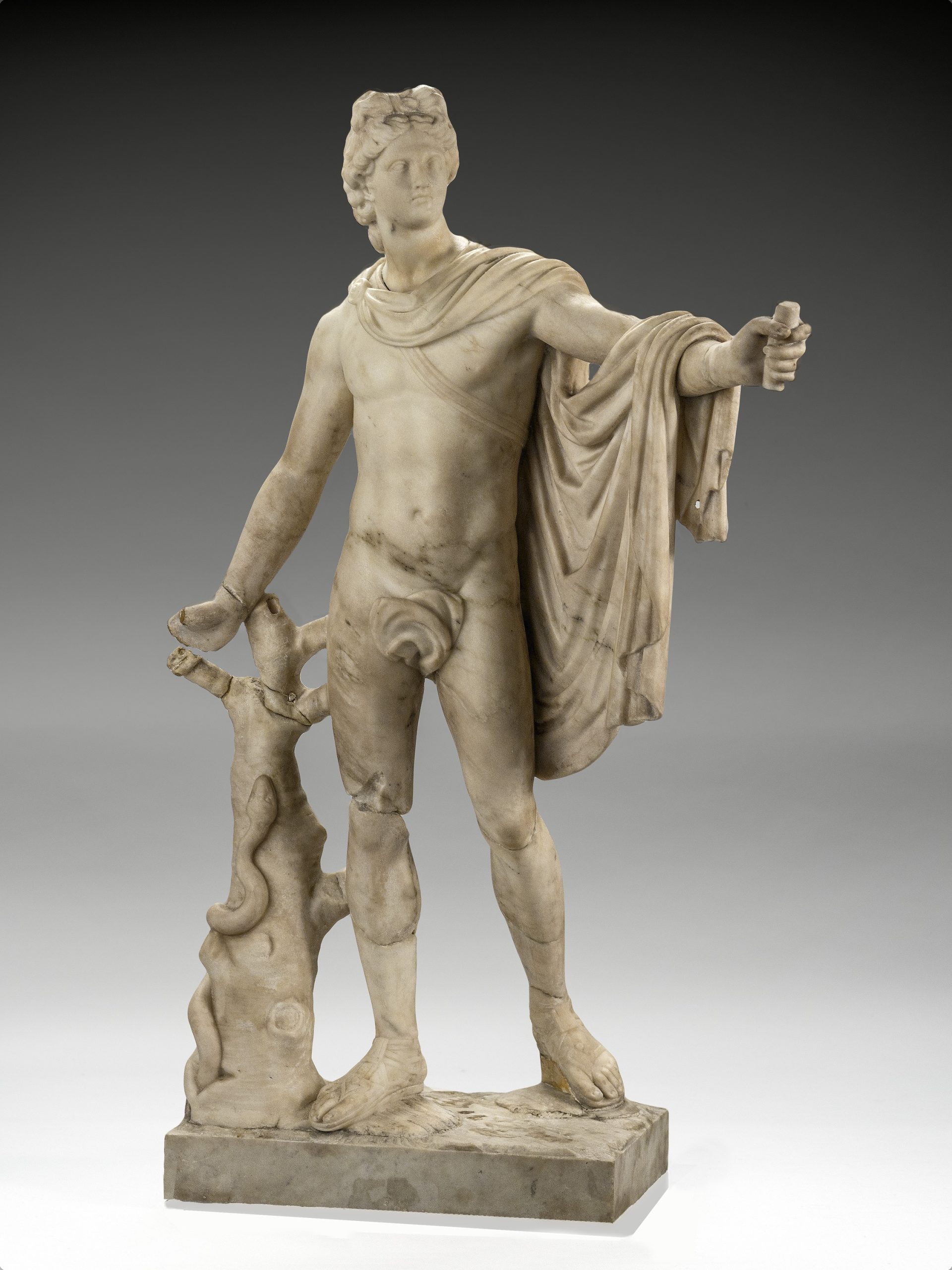
The Roman god of light, prophecy, poetry, and healing — the one Greek god Rome kept unchanged and made patron of the emperor.
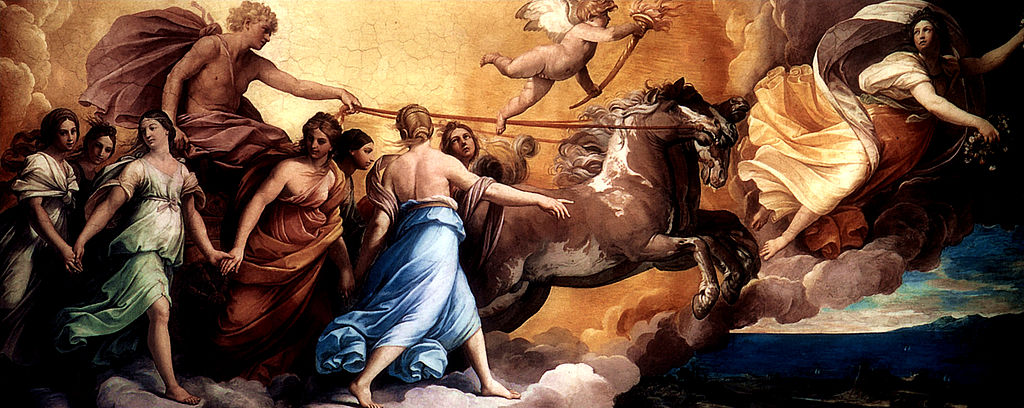
The Roman goddess of the dawn who opened heaven’s gates each morning for the sun — eternal, unfailing, and never given a temple.
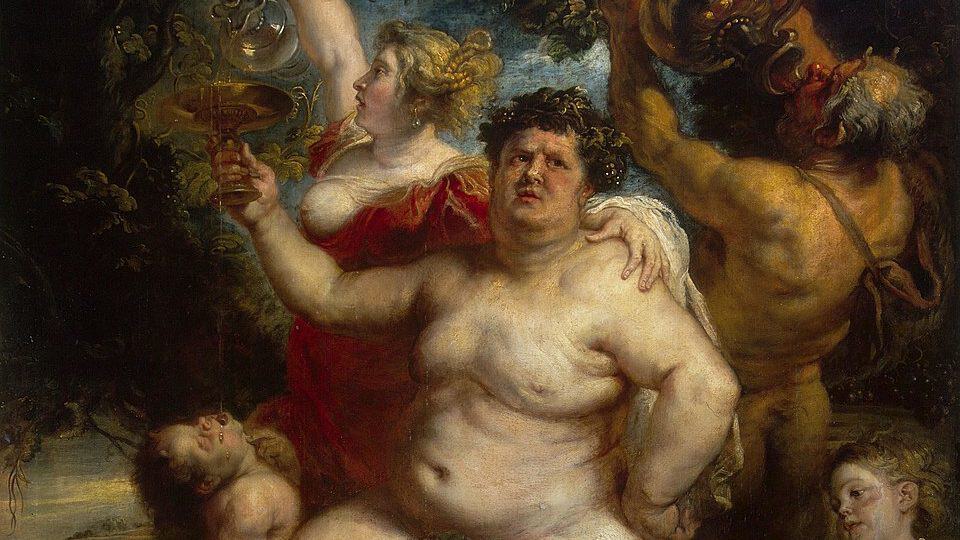
The Roman god of wine, ecstasy, and transformation, whose worship the Senate outlawed in 186 BCE as a criminal conspiracy.
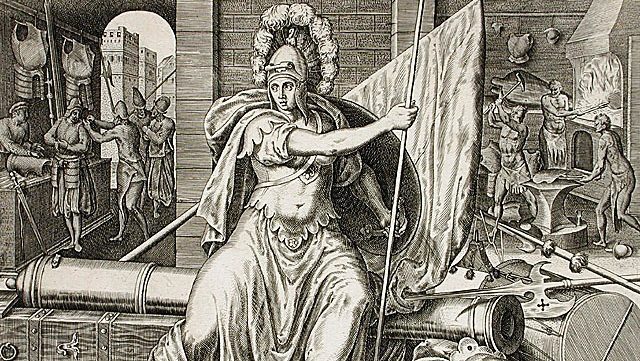
The Roman goddess of war’s fury, honored in the rites that declared Rome’s wars and served by priests who spilled their own blood.
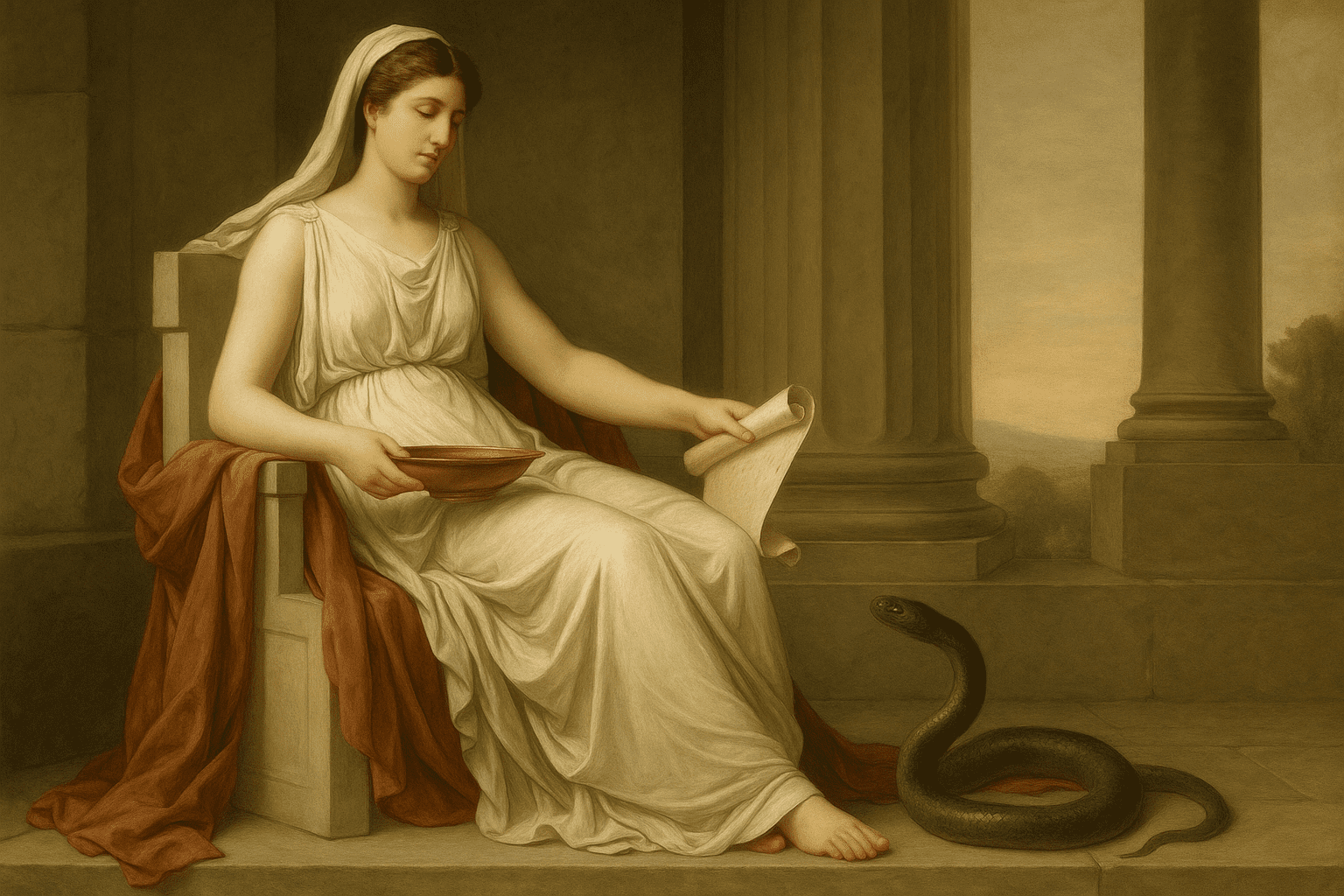
The ‘Good Goddess’ of Rome’s women, whose secret rites men were forbidden to witness — and the scandal that shook the late Republic.

The Roman goddess of the door hinge — guardian of the threshold and protector of the home against the dangers of the night.

The ancient Roman goddess of prophecy and childbirth, credited with inventing the Latin alphabet and woven into Rome’s founding.
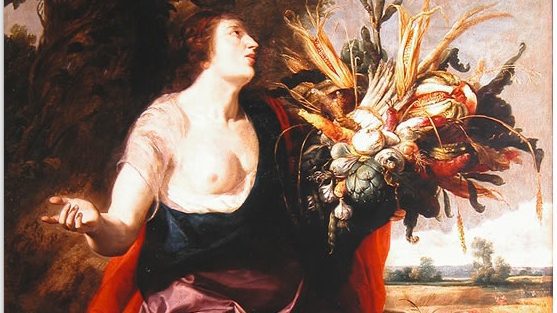
The Roman goddess of grain and agriculture — the source of the word ‘cereal’ and of one of Rome’s most politically charged temples.

The Roman goddess of harmony and civic unity, whose temples rose again and again each time Rome nearly tore itself apart.

The Roman god of stored grain, whose buried altar was opened just twice a year — once for the abduction of the Sabine women.

How Rome turned Cupid from a primordial cosmic force into the winged, arrow-bearing boy we picture today.

An ancient Roman goddess of the fields, served by a priesthood that kept records for five centuries and sang one of Latin’s oldest hymns.

Why the virgin huntress Diana was also Rome’s goddess of childbirth — the maiden who brought children into the light.

Diana as the triple goddess — moon in the sky, huntress on earth, mistress of the crossroads — one name spanning the whole cosmos.
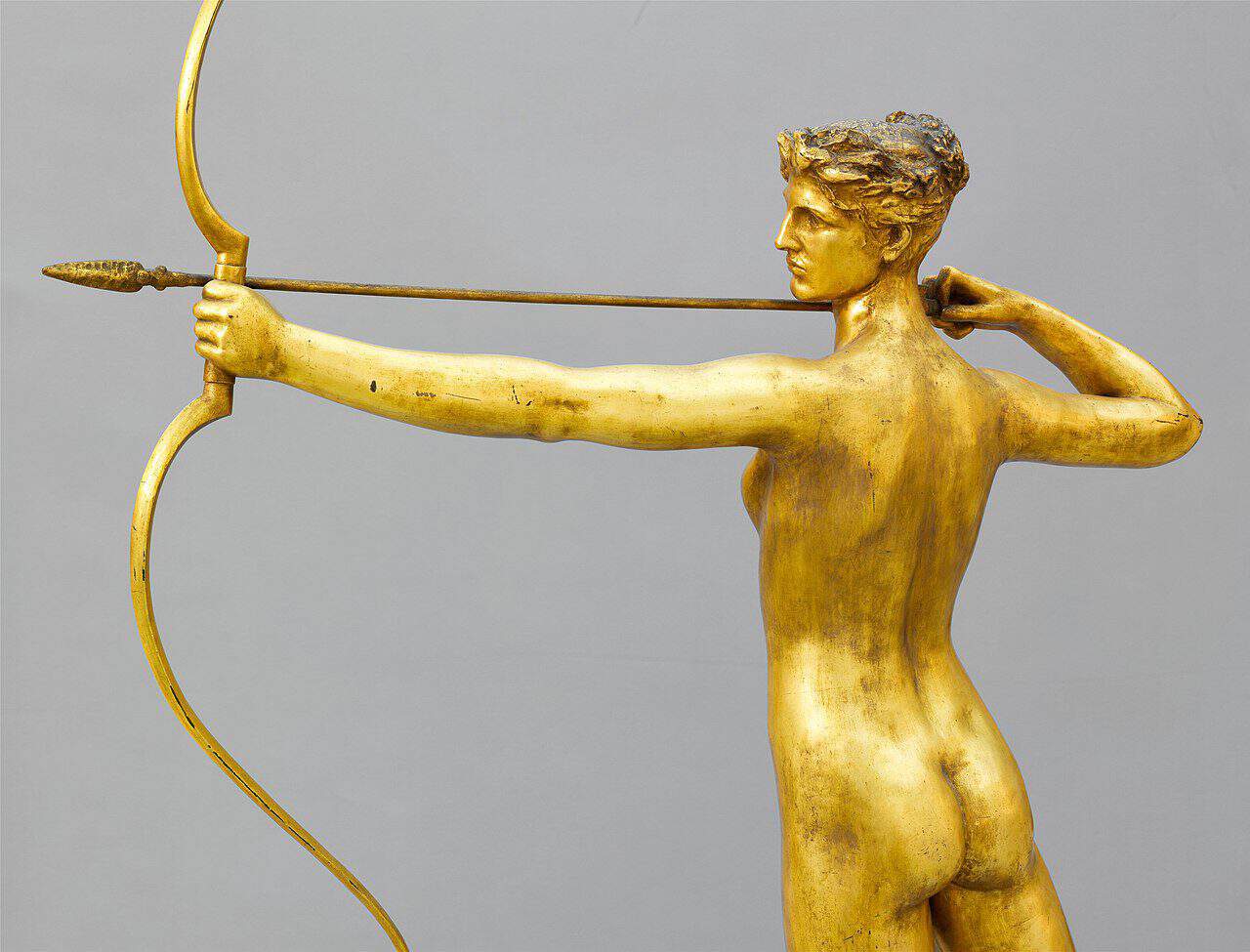
The Roman goddess of the hunt, the moon, and the wild — a native Italian power who ruled the boundaries between one world and the next.
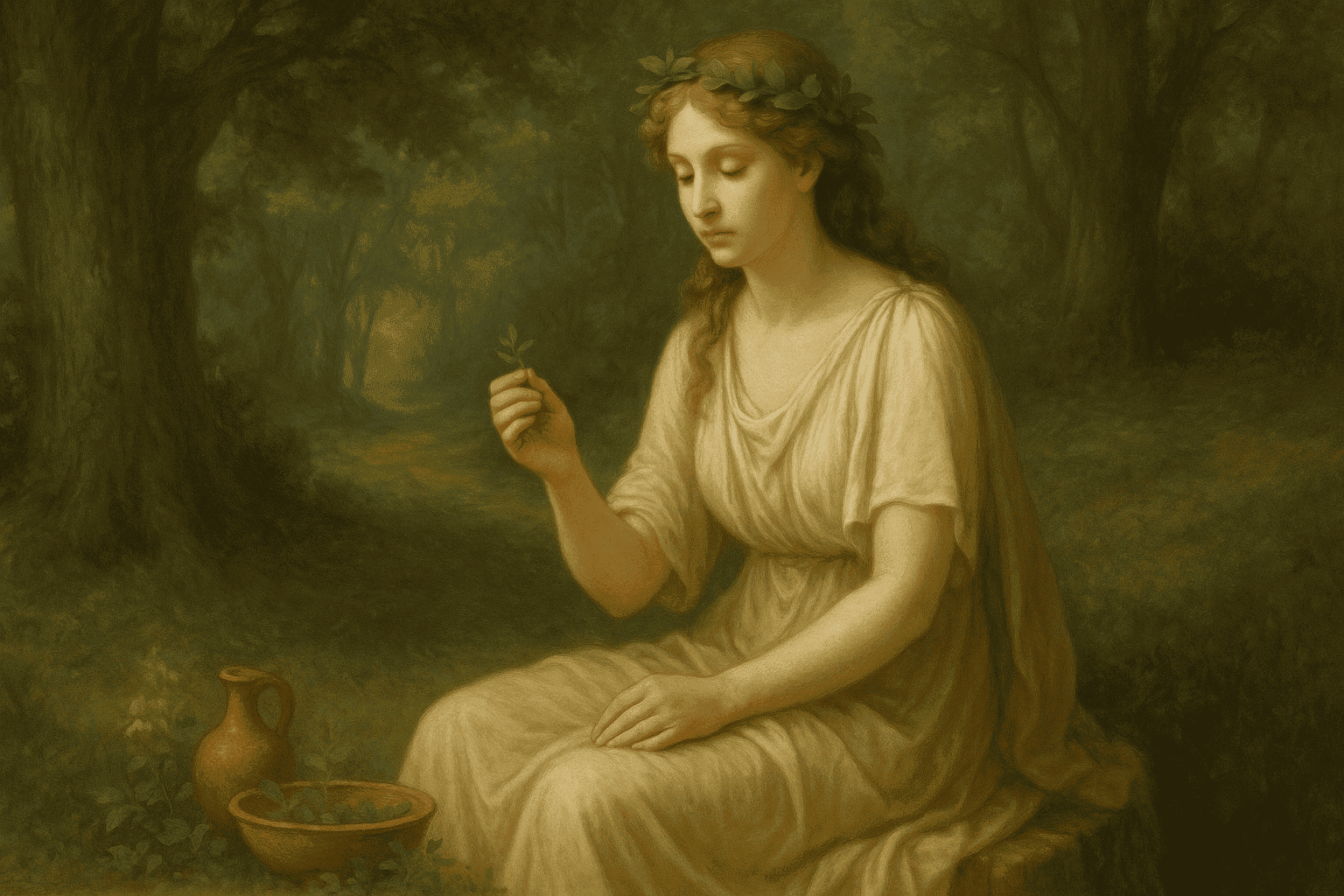
The ambiguous Roman goddess of women and the wild — counterpart of Faunus, and so old her identity had blurred with Bona Dea’s.

One of Rome’s oldest gods — a woodland deity of prophecy and fertility who spoke through nightmares and inspired blessing and fear alike.

The Roman god of the west wind whose arrival ended winter — the breath that told Romans spring, planting, and sailing had come.

An ancient Italian goddess of wilderness and freedom who freed slaves, and whose priests walked barefoot over burning coals.

The Roman goddess of flowers and spring — patroness of the blossom every crop depended on, honored with the riotous Floralia.
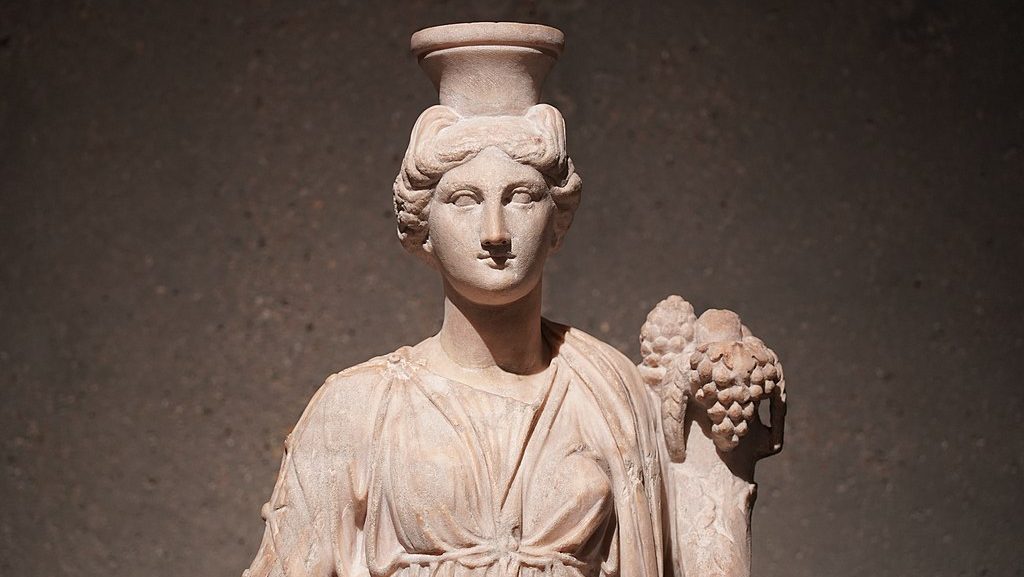
The Roman goddess of luck and fate, invoked and feared above almost every other — mistress of the part of life beyond human control.

The Roman goddess so ancient that her own worshippers kept her festival and priesthood long after they’d forgotten what she governed.
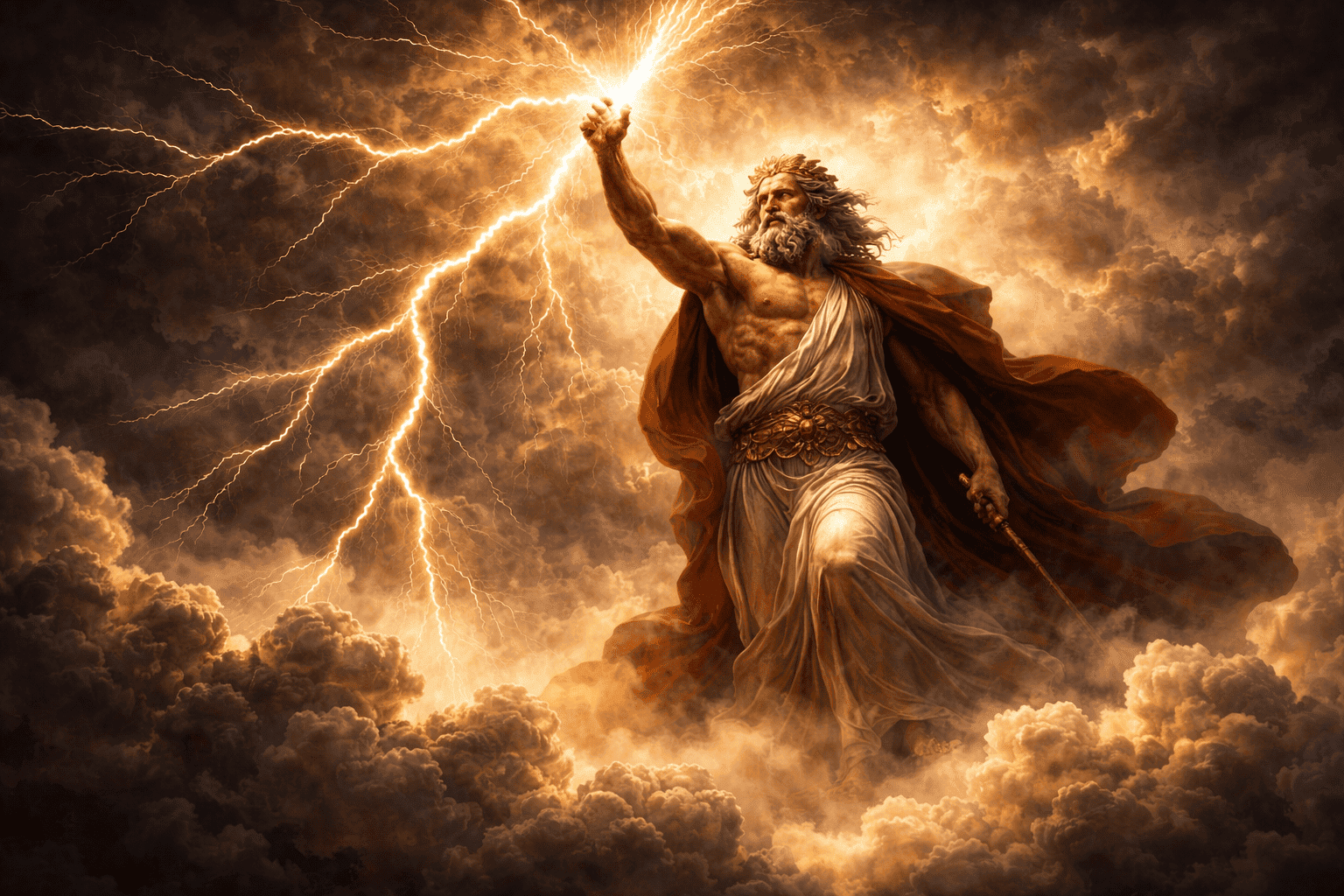
Just how powerful was Jupiter? The god whose omens could halt elections, void laws, and force magistrates out of office.
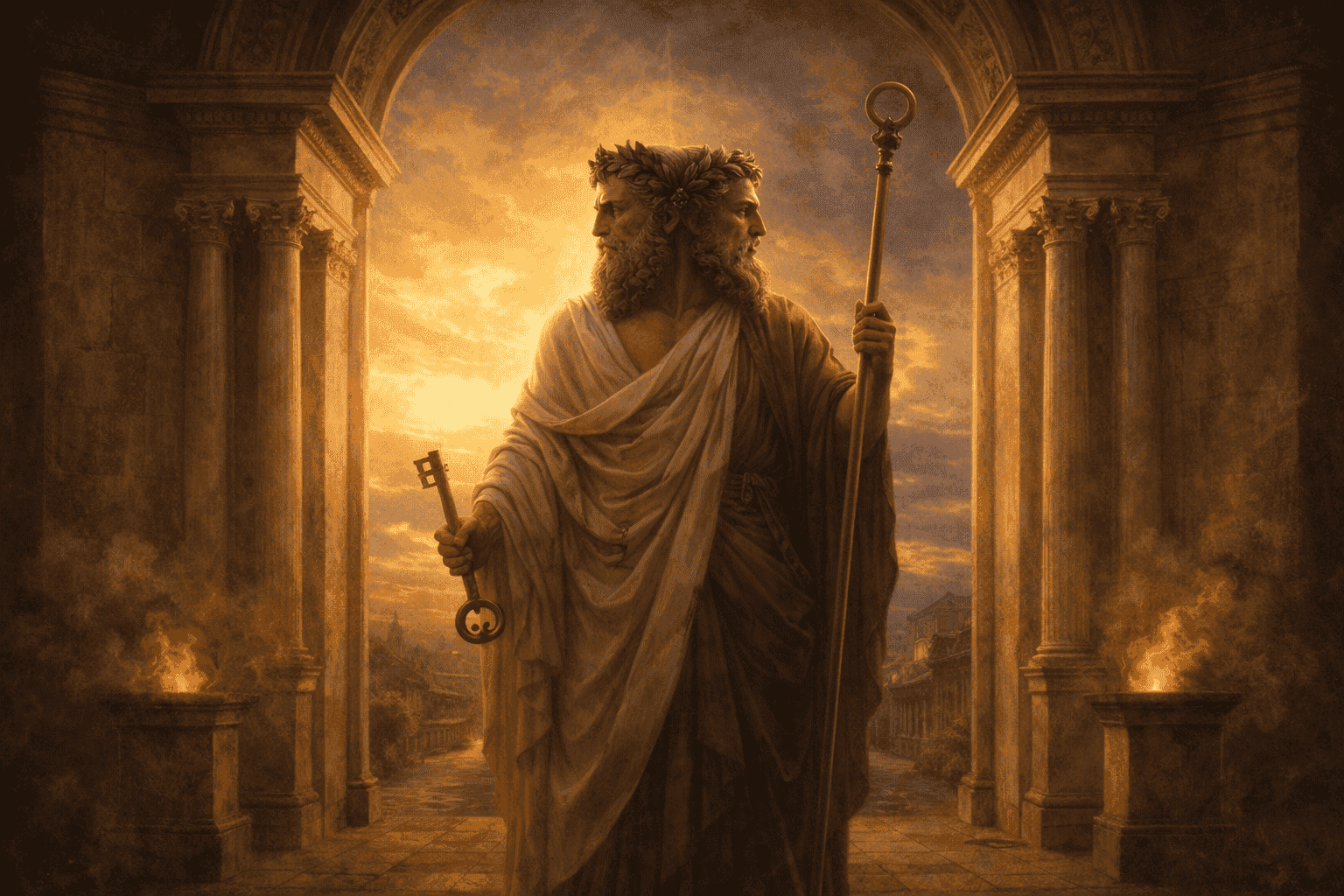
The two-faced Roman god of doorways, beginnings, and time — invoked first in every prayer, and the source of the name January.
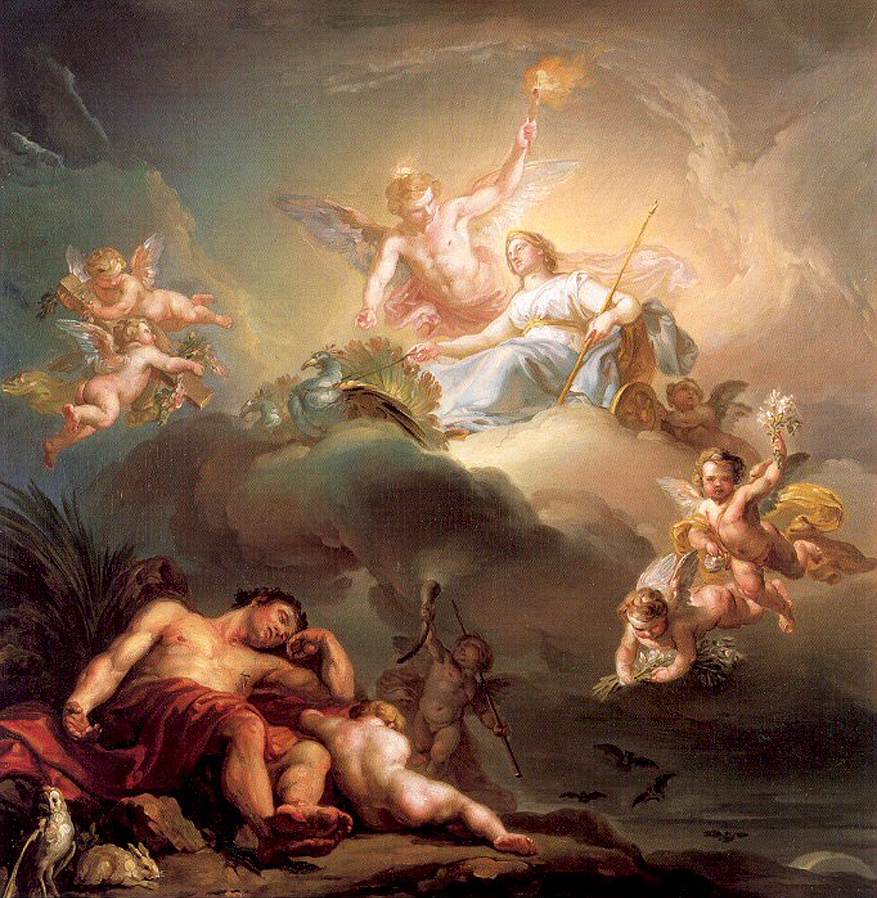
The queen of the Roman gods and protector of women, who fought Rome’s founding through the Aeneid and was made supreme all the same.
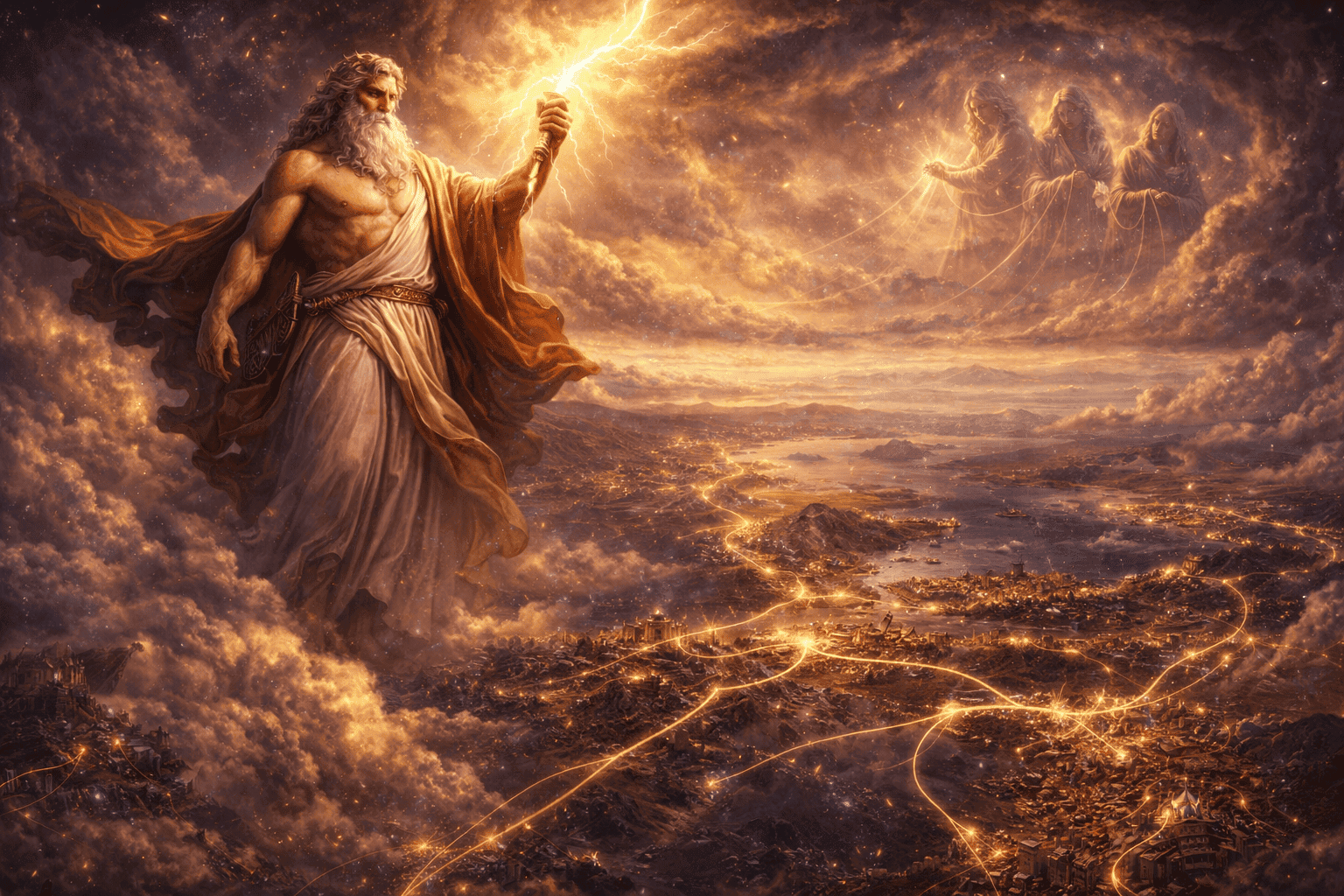
Was Jupiter truly supreme, or bound by the Fates above him? The tension Rome’s greatest god never fully resolved.
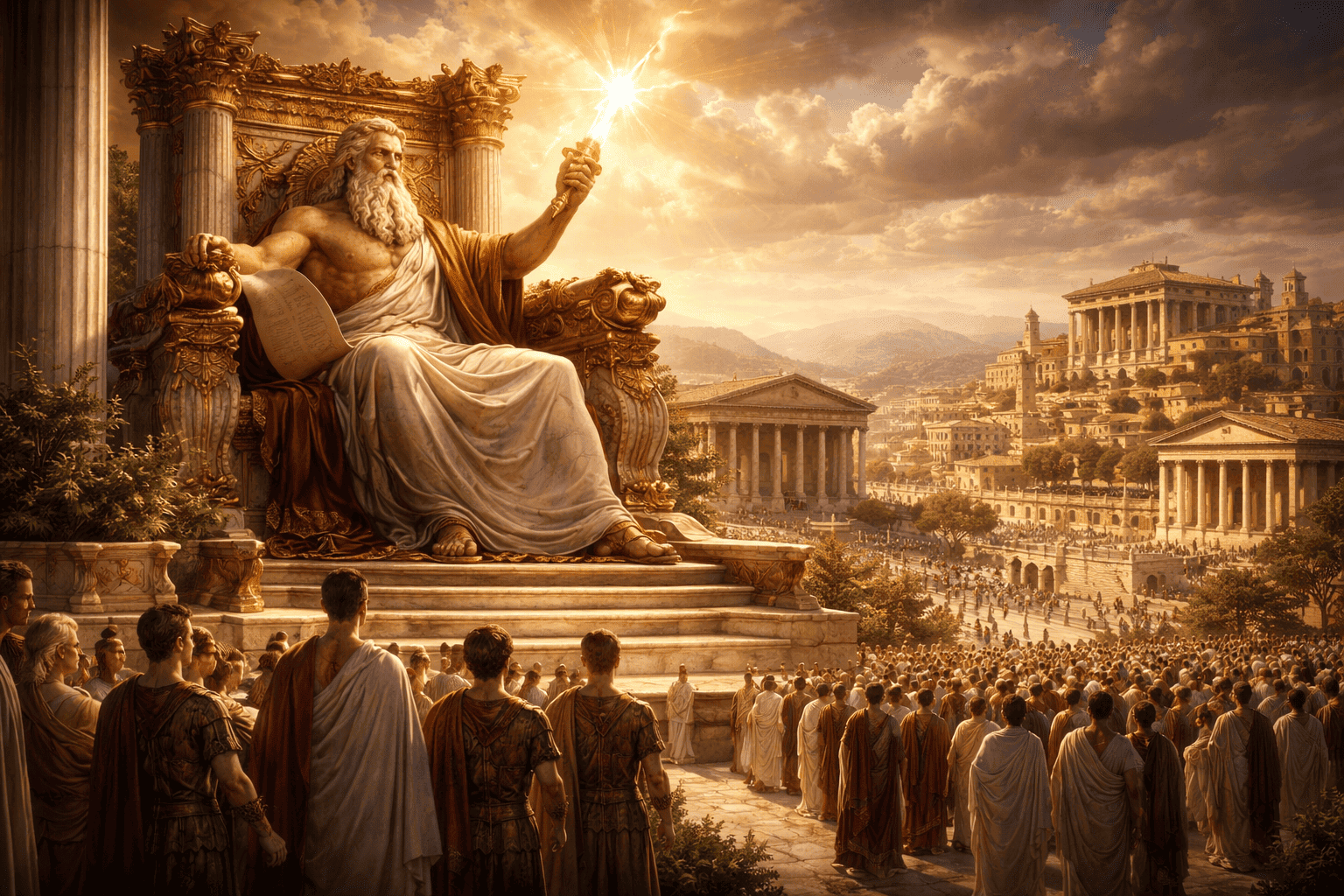
How Jupiter underwrote Roman law itself — witness to every oath, invoked before every war, the god perjury offended first.

King of the Roman gods, lord of the sky and thunder, and guardian of the Roman state.
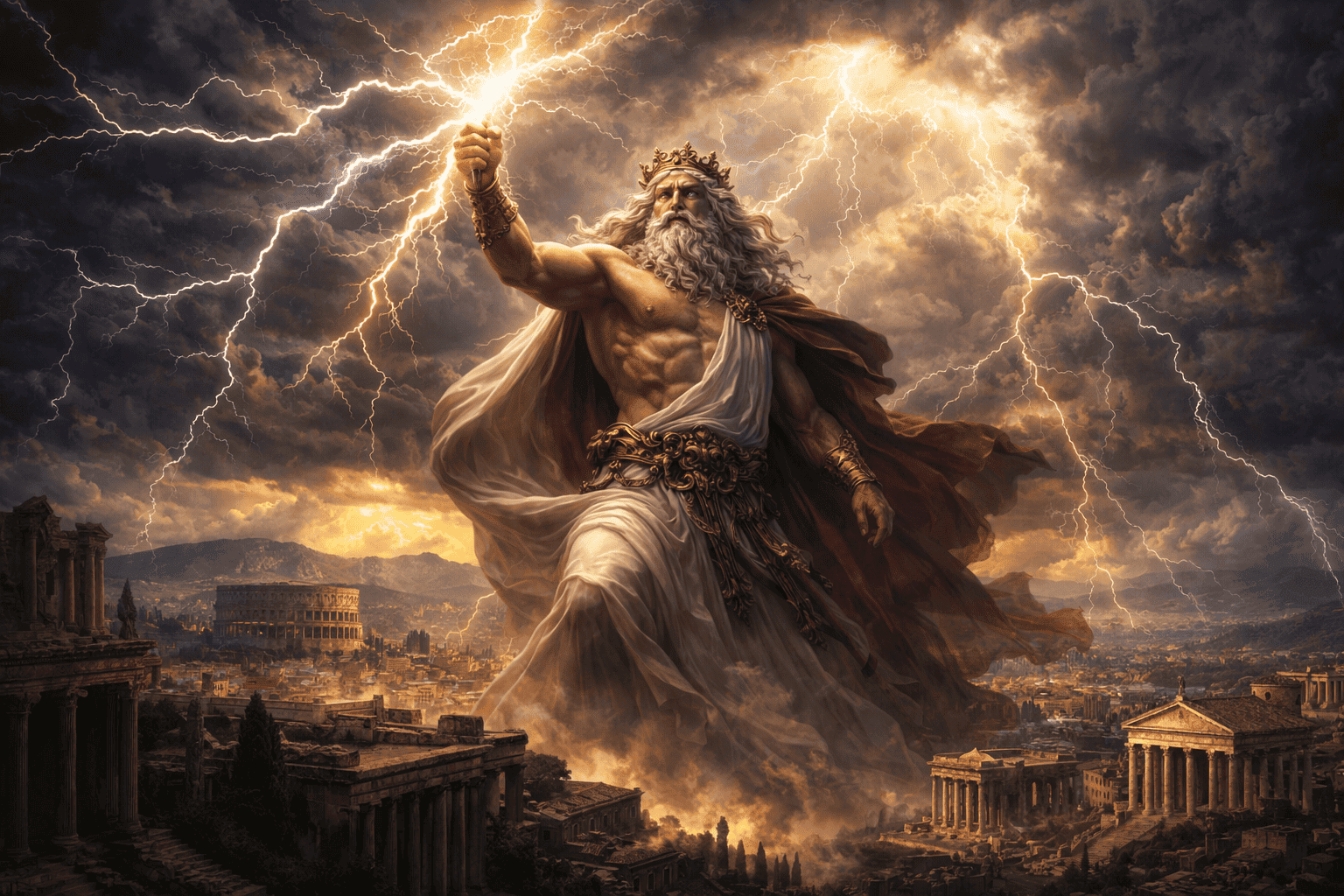
King of the gods and guardian of Rome; god of the sky, thunder, and law.

The guardian spirits of the Roman household — gods particular to one house, one family, one patch of ground, honored every day.
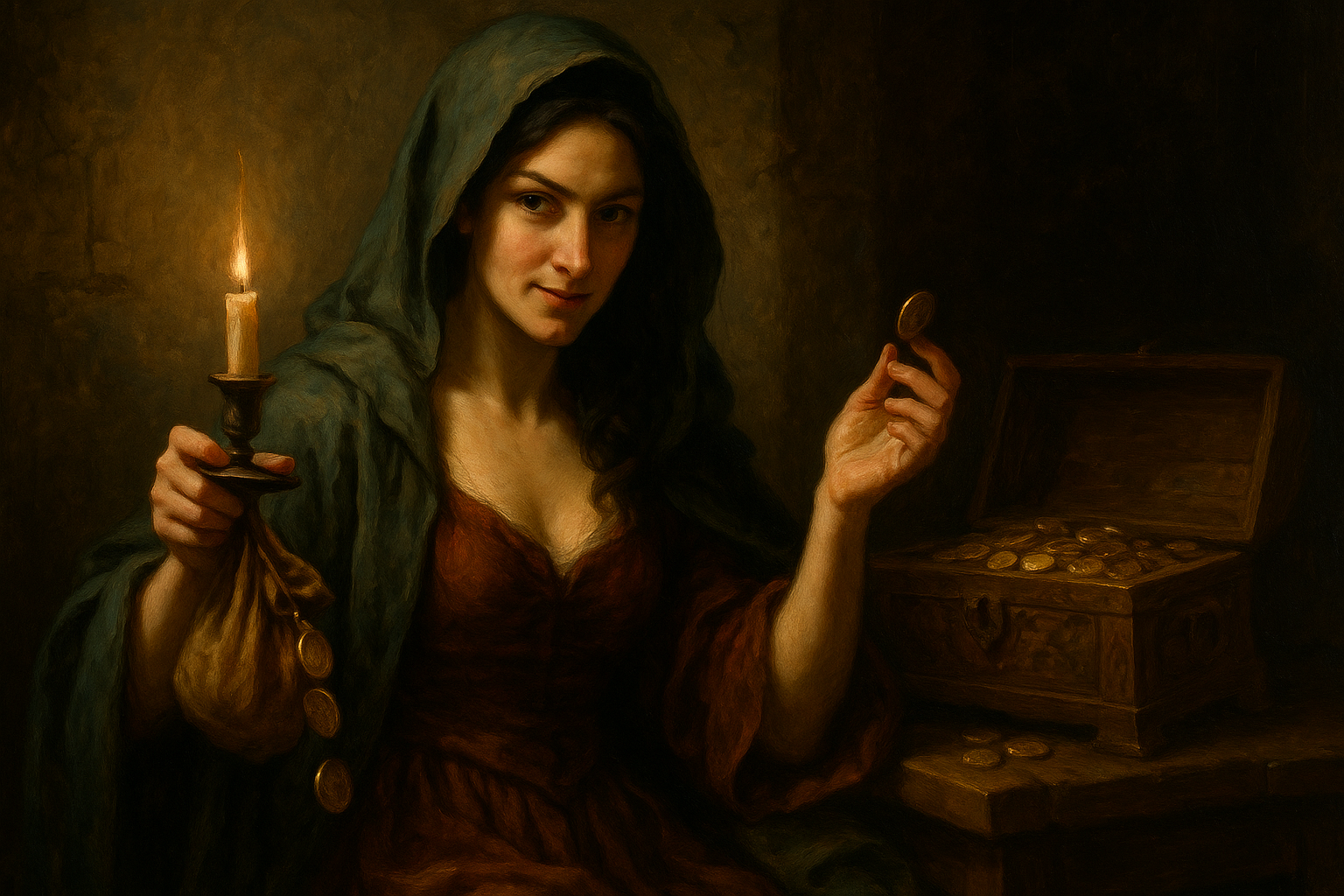
The Roman goddess of thieves and false oaths, invoked to keep a crime hidden and a reputation clean — and Romans found her funny.

The Roman goddess of funerals whose temple also held the city’s death records — as much a civic institution as a deity.

The Roman goddess who was the moon itself made divine — not a symbol of it, but the celestial body given a face and a will.

Mars Gradivus, god of the advance — the aspect of the war god who ruled the charged moment between preparation and battle.

How Mars was built into Rome’s army — its calendar, its priesthoods, its sacred spears, and the legions’ very sense of themselves.

The temple Octavian vowed to Mars in vengeance for Caesar’s murder — Rome’s most deliberate act of political theology.
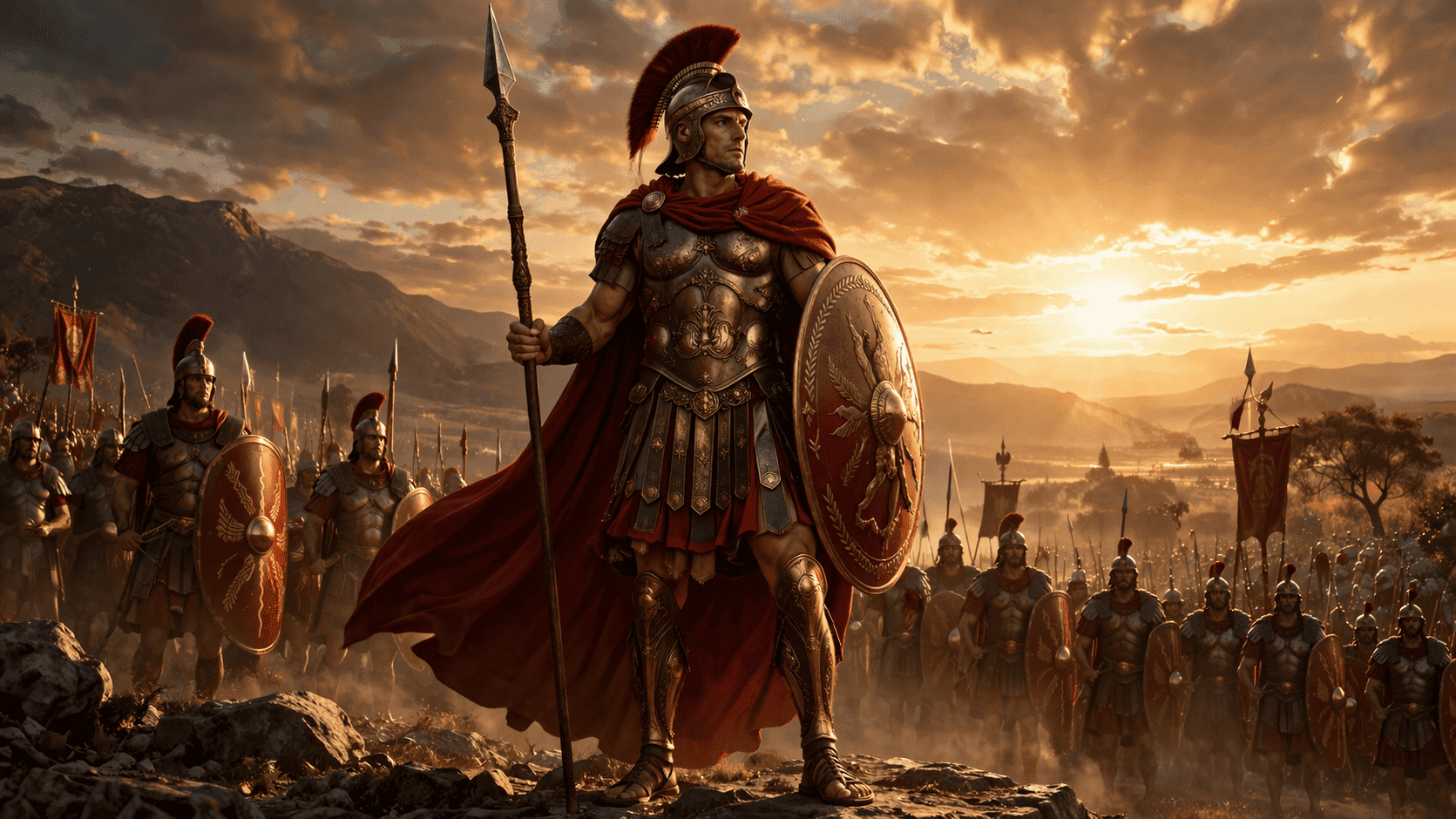
The Roman god of war, agriculture, and Rome’s founding — father of Romulus, patron of the legions, and once a god of farmers.
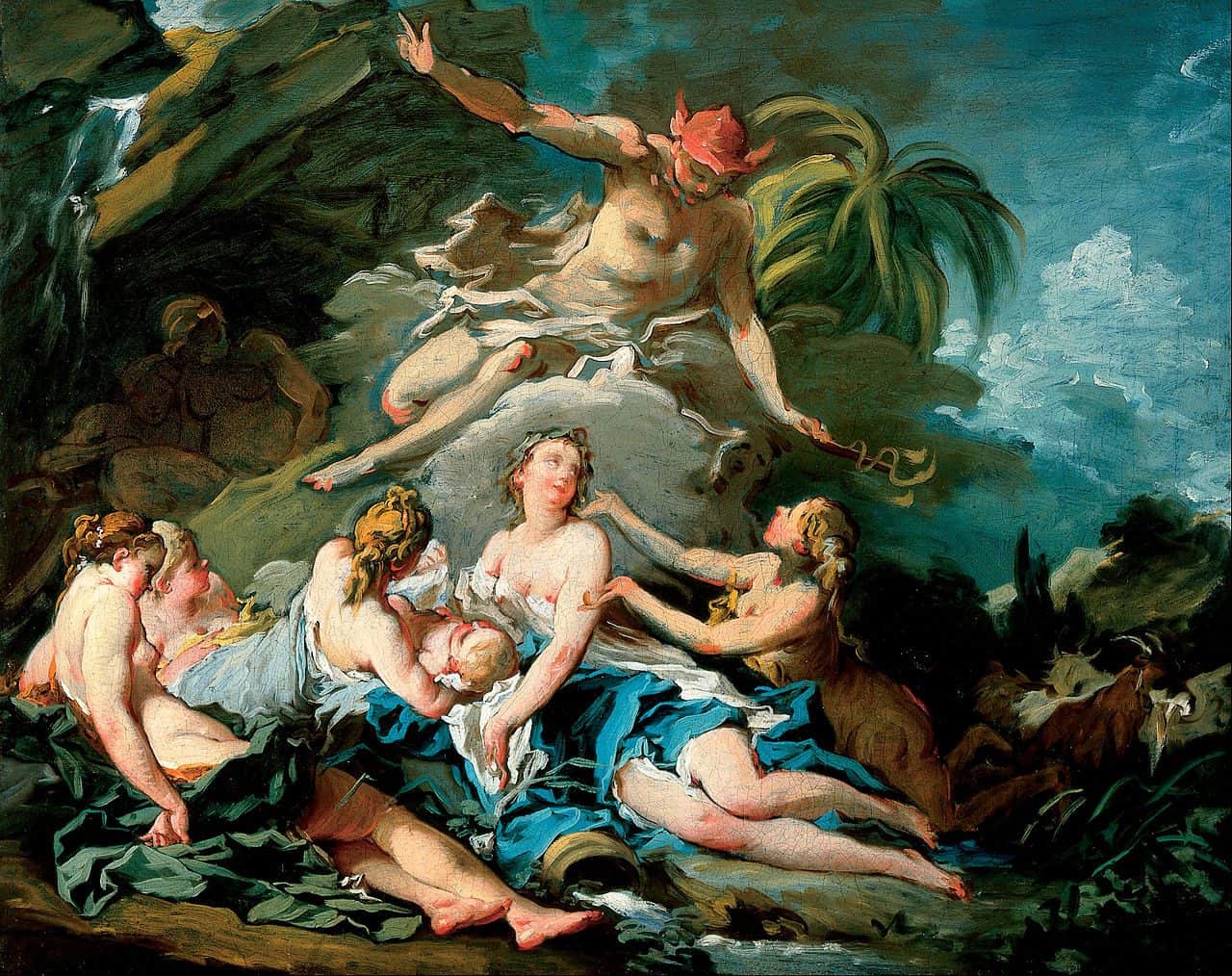
The Roman god of trade, messages, and boundaries — the swift divine go-between who became the most worshipped god in Gaul.
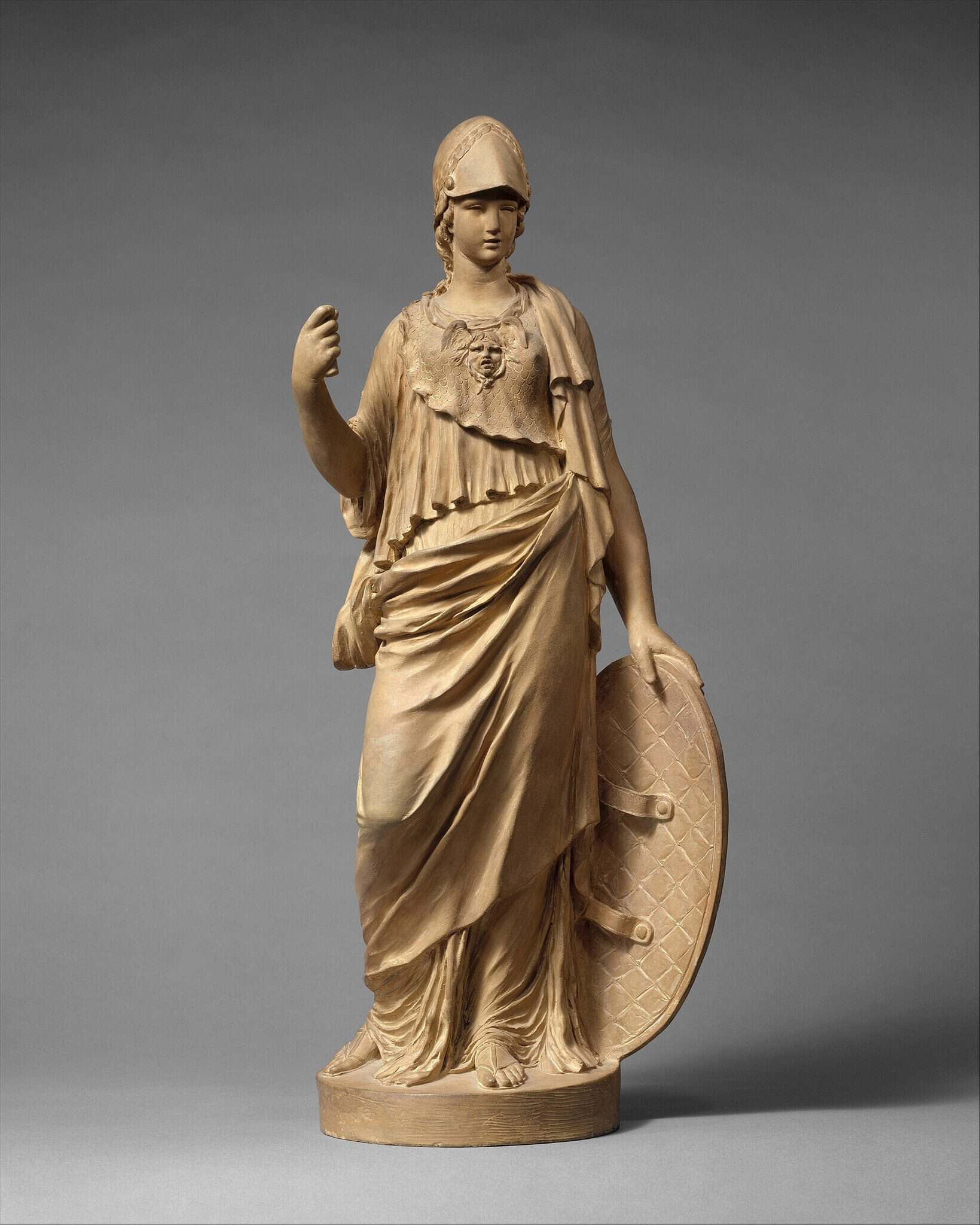
Born fully armed from Jupiter’s skull, Minerva was Rome’s goddess of wisdom and strategy and patron of nearly every skilled craft.

The Roman goddess who punished not the wicked but the excessive — anyone with more fortune or pride than the gods would allow.
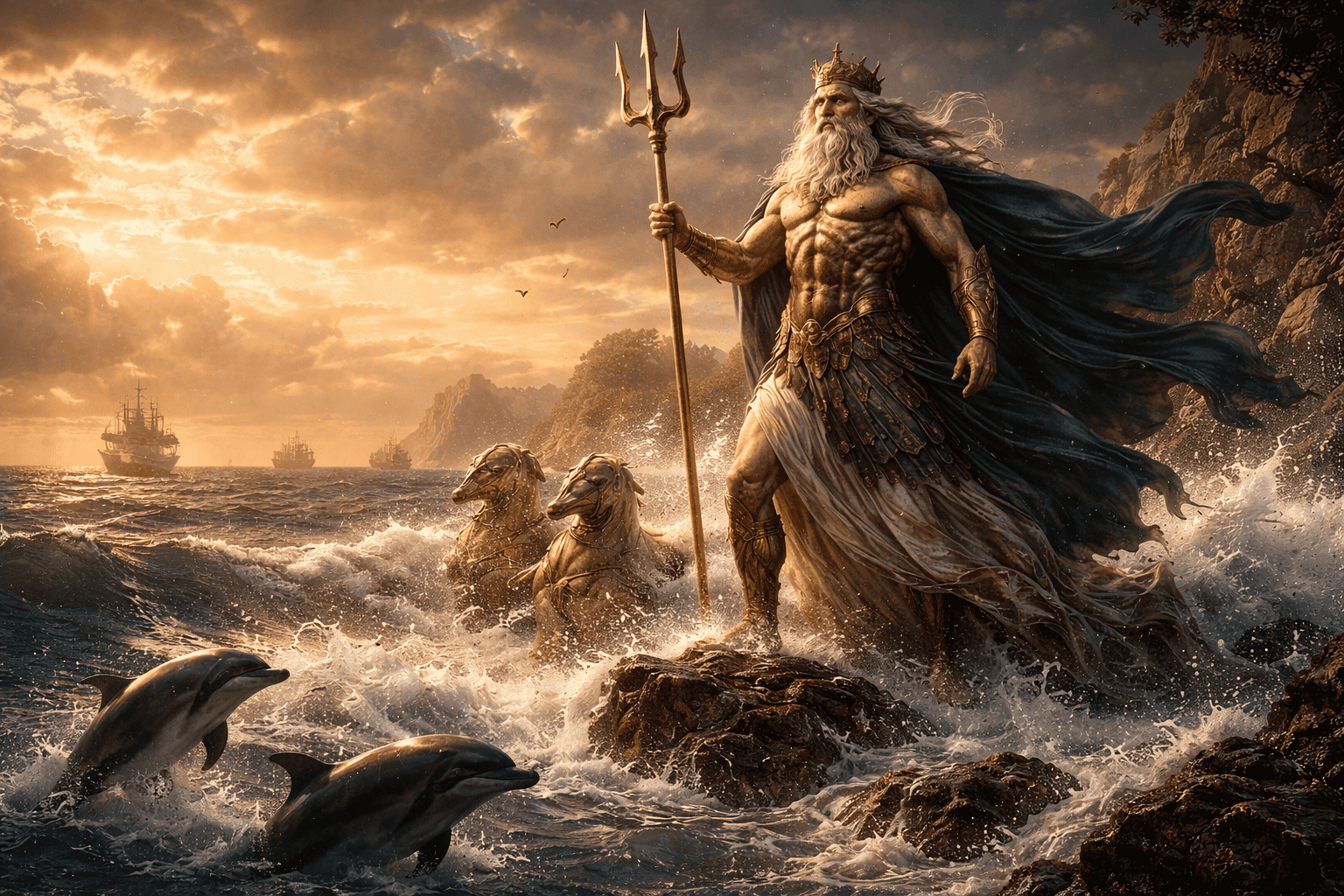
The Roman god of the sea, horses, and earthquakes — lord of a navy-building empire who had almost no myths of his own.
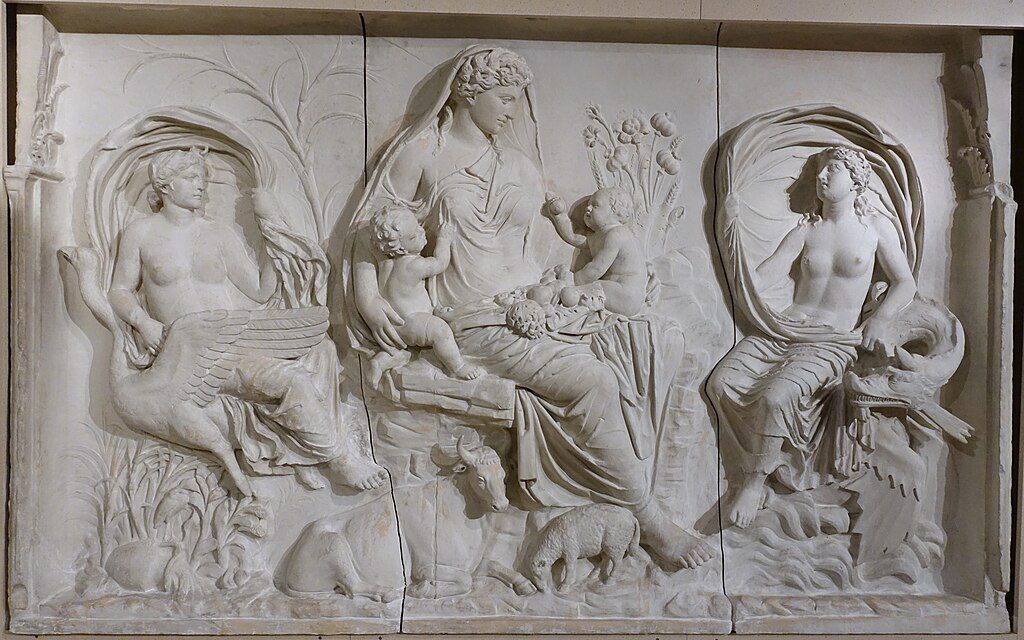
The Roman goddess of peace whom Augustus set at the center of his program — an ideal turned into an argument about who deserved to rule.

Rome had three gods of the underworld and chose carefully among them — Pluto, lord of the dead and of the hidden wealth beneath the earth.

The maiden Pluto dragged underground to reign as queen of the dead — the same goddess Rome grew in its wheat and named in its curses.

The mysterious third god of Rome’s supreme triad, beside Jupiter and Mars — the deified Romulus, and the god of the Roman people.

A complete reference index of the Roman pantheon, from the great gods of state to the deities of door hinges, stored grain, and volcanic vapor.
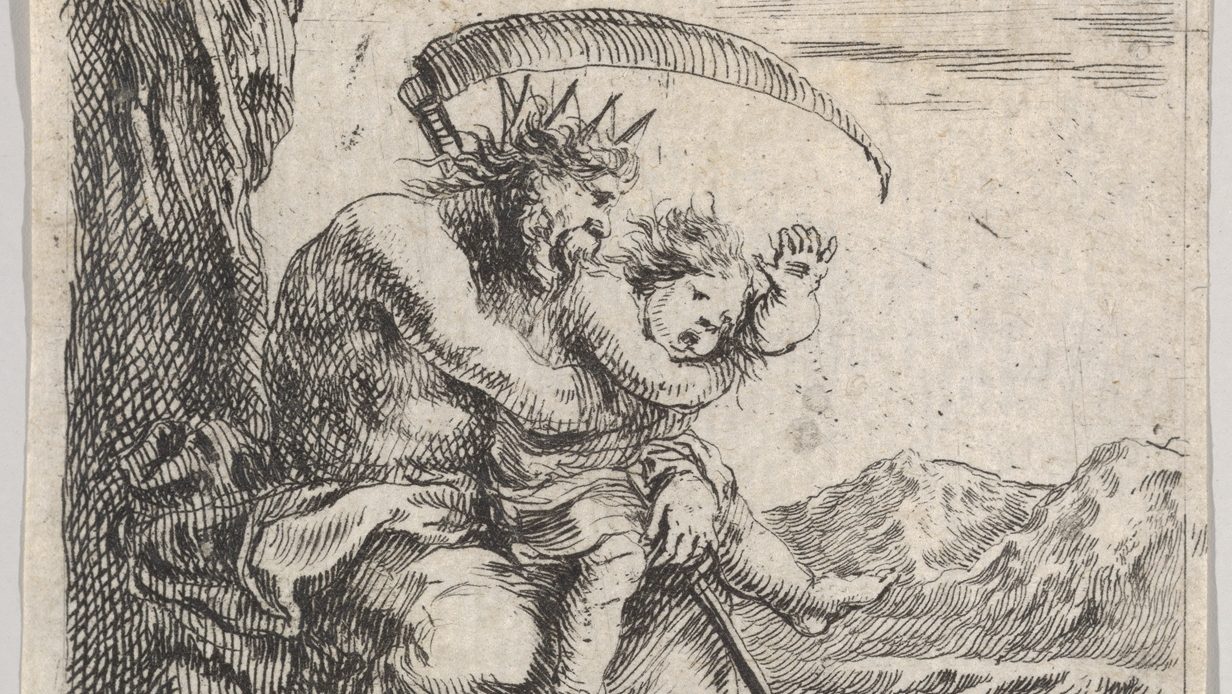
The Roman god of harvest and the lost Golden Age, whose temple held the state treasury and whose festival suspended every rule.
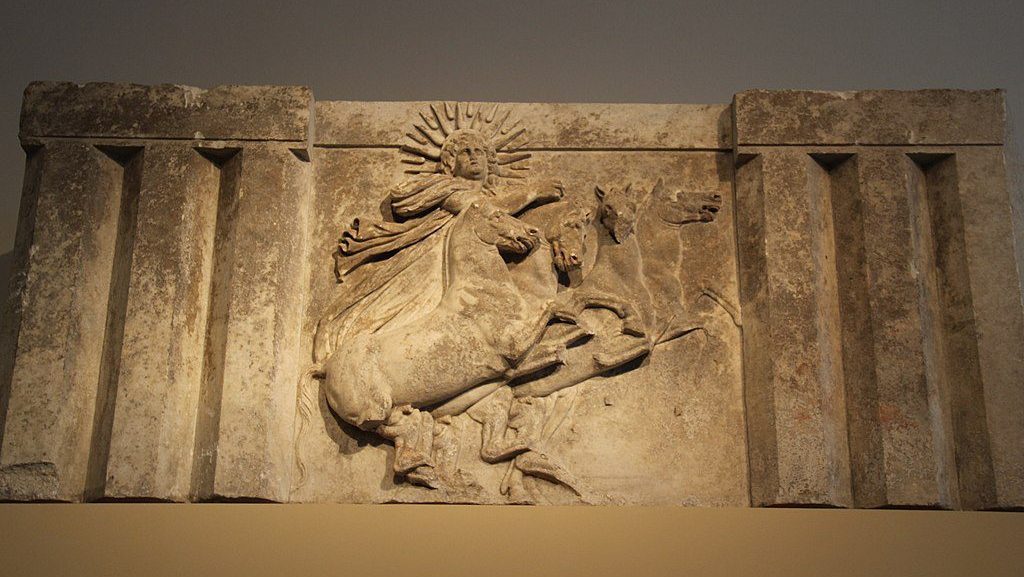
The Roman sun god who drove his chariot across the sky for centuries — then, declared unconquerable, nearly eclipsed every other god.
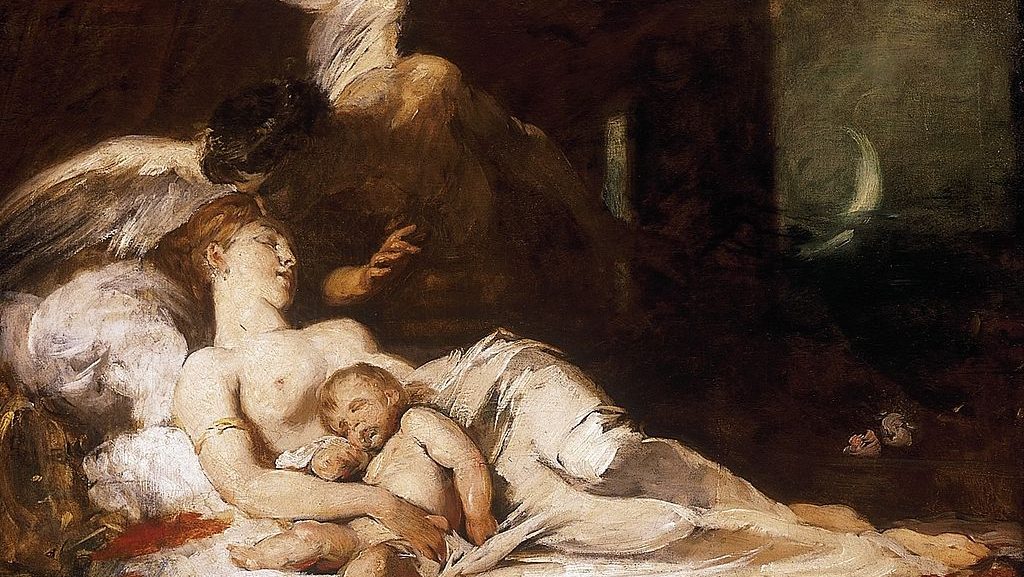
The Roman god of sleep and brother of Death, who presided over the nightly threshold Romans saw as a small death and rebirth.

Venus born from sea-foam and a sky god’s wound — the violent origin behind mythology’s most beautiful image.

One war god, dozens of names — how each epithet of Mars answered a different situation, need, and moment of Roman warfare.

Venus was never one goddess — Genetrix, Victrix, Verticordia — each face with its own temple, history, and claim on Roman life.
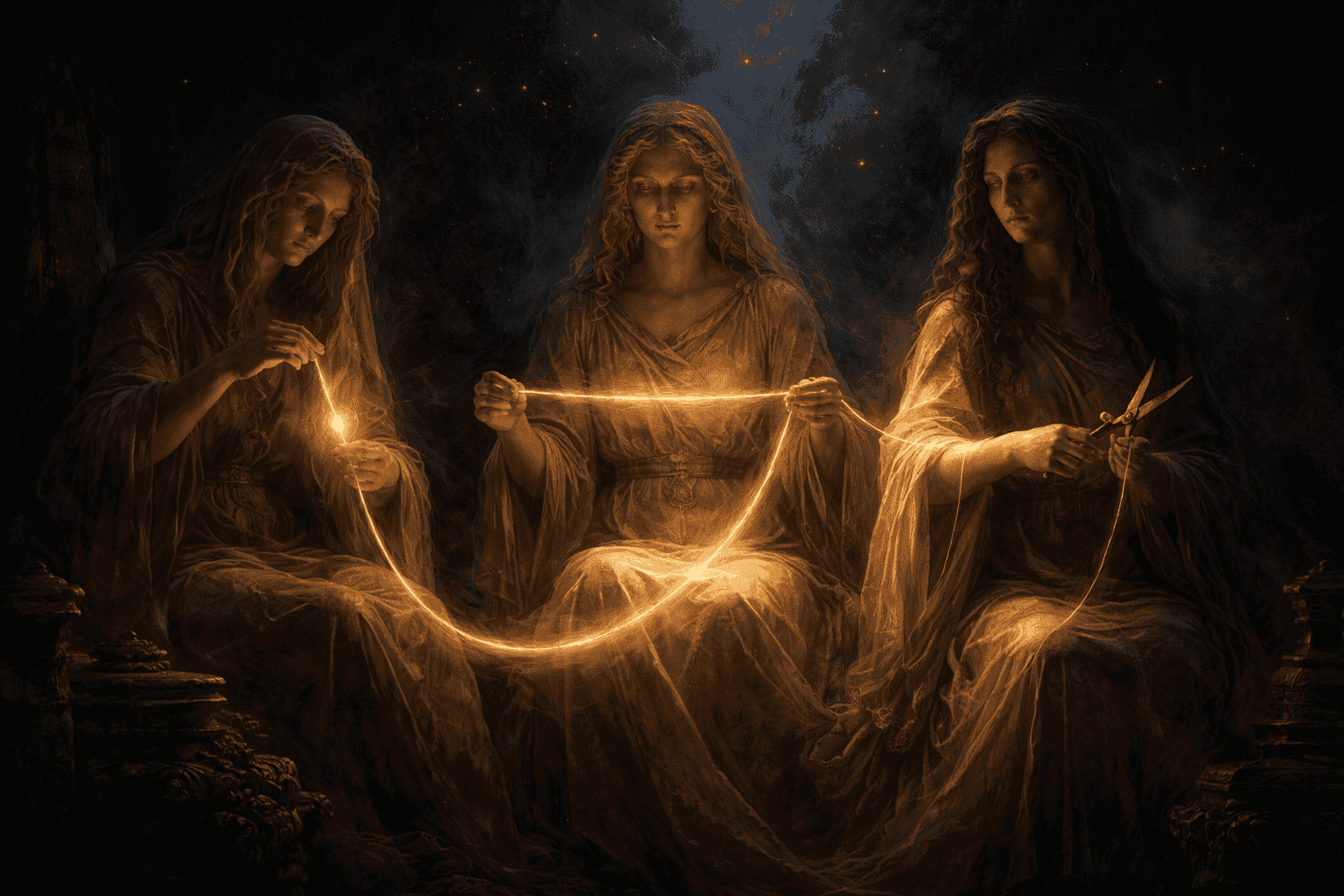
Rome’s three Fates — one spun the thread of life, one measured it, one cut it — and not even Jupiter could undo the cut.

The gods of the Roman storeroom, owed the first share of every meal — guardians of both the household and the state itself.
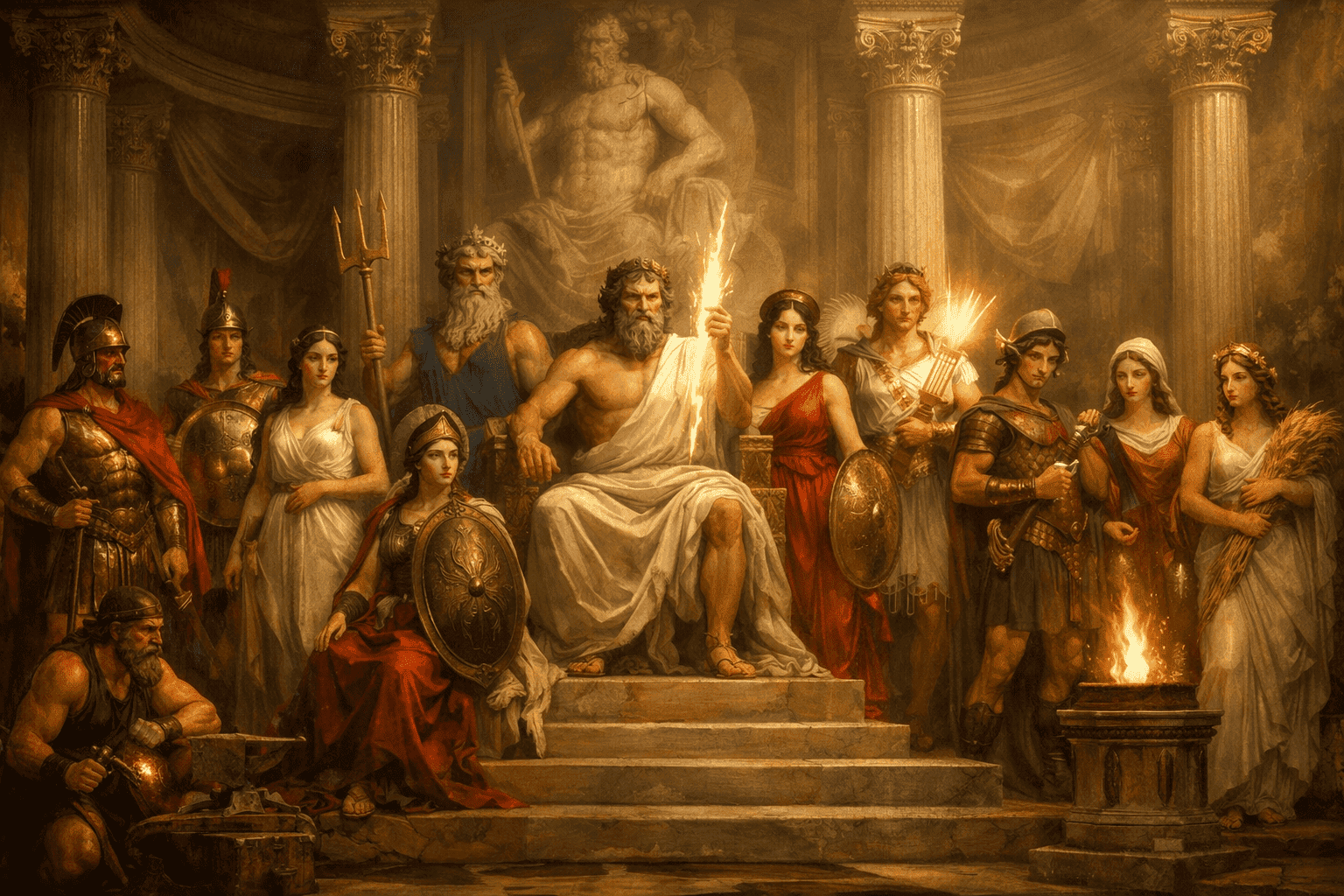
The Dii Consentes, Rome’s twelve principal gods — and why the list was never quite fixed says much about how Roman religion worked.
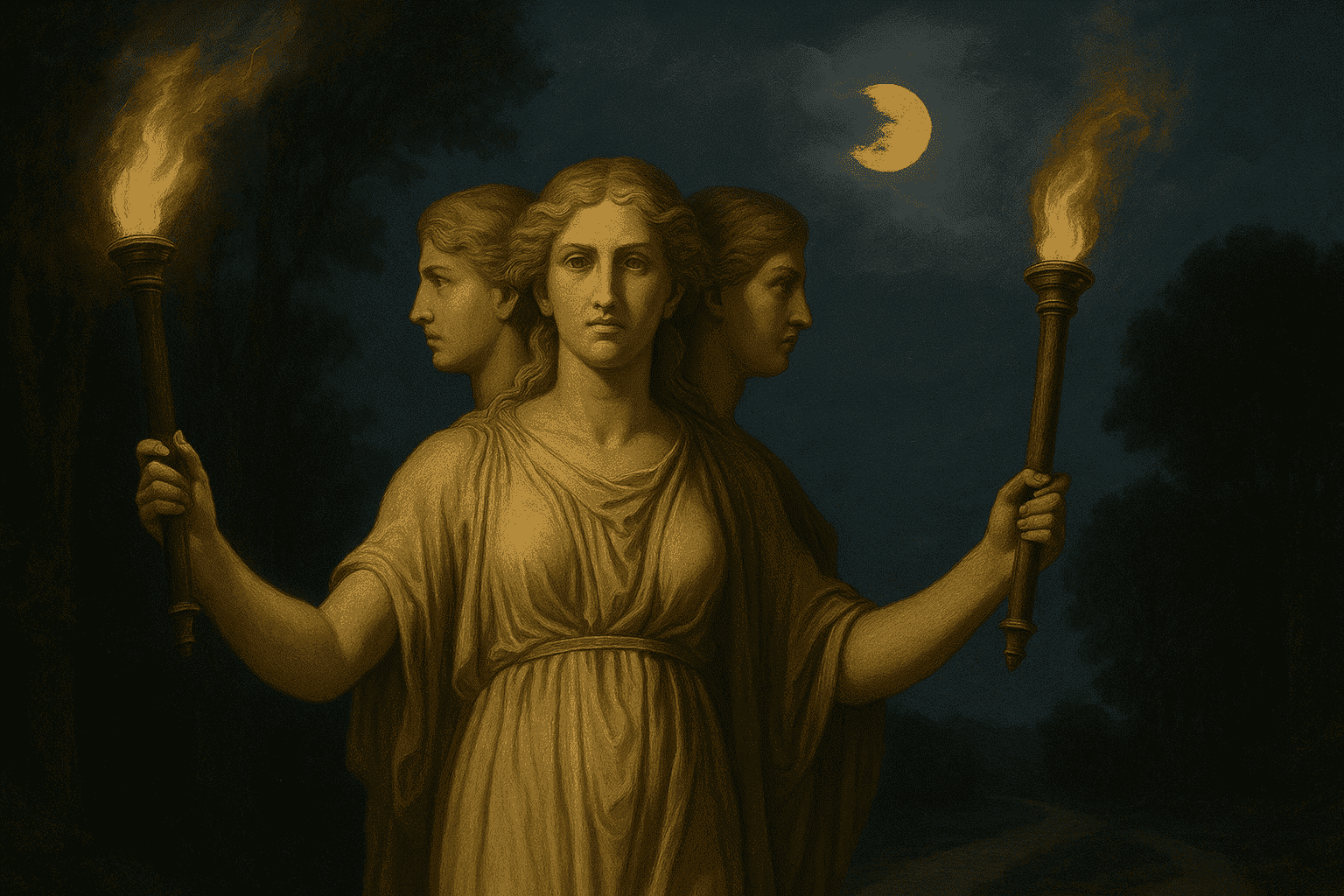
The Roman goddess of crossroads, night, and magic — worshipped where three roads met, because such places were never neutral ground.

The Sabine goddess of rest and leisure, remembered mainly because Horace wrote of idling beneath her ruined shrine.

How a goddess’s love became Rome’s founding myth — Venus, her mortal son Aeneas, and the line that led to Julius Caesar.

Venus and Cupid as a targeted operation — the disguised god sent to infect Dido with a love that would destroy her.

The famous affair of Venus and Mars — and why Rome saw love and war not as opposites but as the twin forces behind civilization.

The mismatched marriage of beauty and the forge — Venus given to the lame Vulcan, and why it was never going to work.

The Venus that Caesar claimed as ancestor — Venus Genetrix, the divine mother he vowed a temple to and set at his forum’s heart.

Venus Victrix, the love goddess who brought victory — and the temple Pompey disguised as a theater to honor her.

Roman goddess of love, beauty, and desire, and through her son Aeneas, the divine mother of the Roman people.
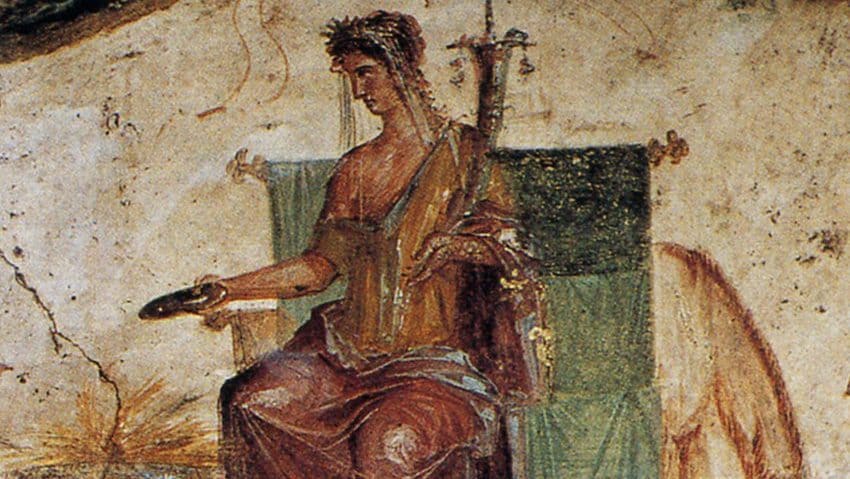
The only major Roman goddess never shown in human form — her presence was the sacred hearth-fire itself, tended by the Vestals.
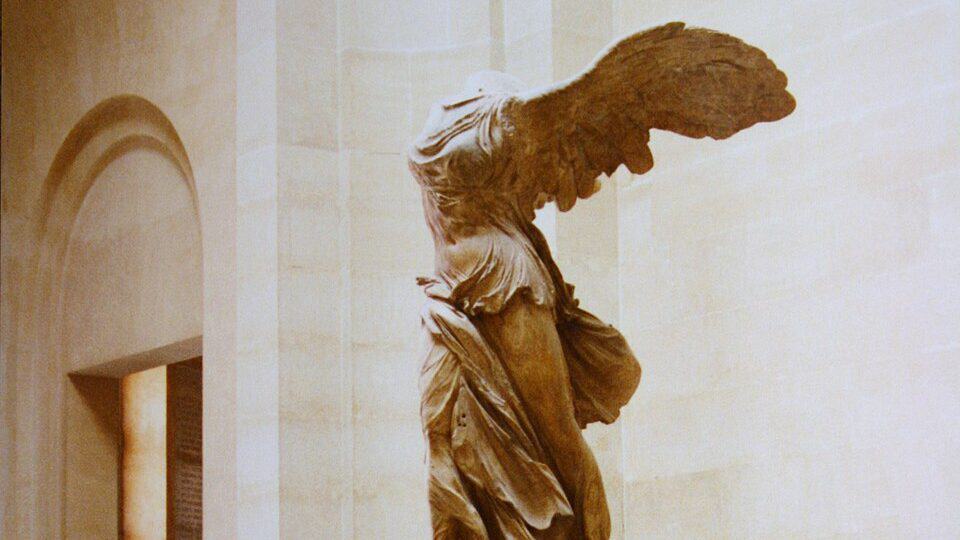
Victory itself made divine — Victoria was no metaphor but the goddess who marked which side the gods had chosen in battle.
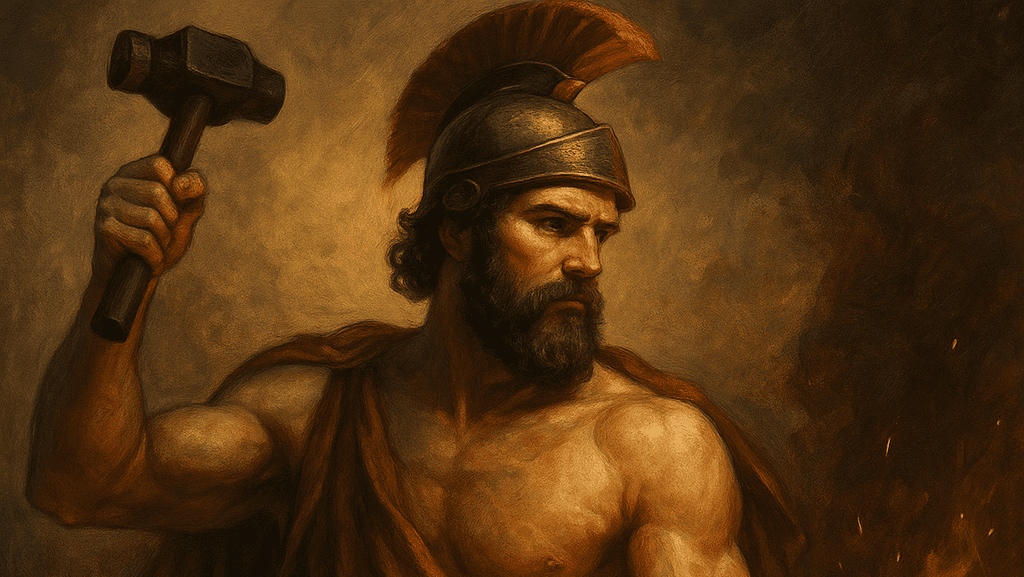
The Roman god of fire and the forge, honored at the peak of summer’s fire season with a bonfire fed by living fish.