Leave Your Message

Blog

2026 Best Camper Battery for RVs and Camping?

2026 Best Camper Battery for RVs and Camping?

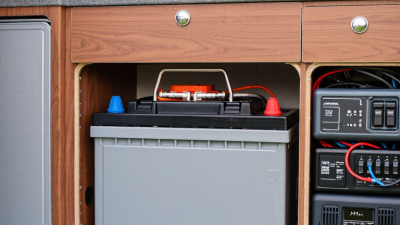
So, picking the right Camper Battery? It can honestly make or break an RV trip. A quiet campsite is still gonna rely on having solid stored power. Overnight, you’ve got lights, a water pump, maybe a fridge controller, and a phone charger all quietly pulling energy. Mark Polk, founder of RV Education 101, puts it simply: “The battery is the heart of your RV electrical system.” And yeah, that’s still pretty much true in 2026. A battery isn’t just some number on a label. Chemistry, usable capacity, charging limits, how it handles temperature, weight, warranty—all of that shapes what camping actually feels like. This guide looks at popular options from Battle Born Batteries, Renogy, Dakota Lithium, and Victron Energy. We’re talking lithium iron phosphate and lead-acid designs too. It also gets into common RV situations: dry camping, weekend trips, solar charging, and cold-weather storage. A 100Ah battery might run a small compressor fridge overnight, but insulation, inverter losses, and weather can change everything. The label just can’t tell the whole story. And that’s where a lot of buying guides get way too confident. A lighter battery might cost a lot more. A cheaper one might need replacing sooner. Some models have really good monitoring apps; others keep things simple and repairable. Manufacturer testing and warranty terms matter, sure. But owner experience can surface annoying little details—loose terminals, confusing chargers, that kind of thing. None of this is perfect. Real RV electrical systems vary a lot. So the best Camper Battery isn’t some universal answer. It should fit your power habits, your charging gear, where you store it, and your budget. A smart choice starts with honest measurements, not marketing promises.
Read more »
Liam By:Liam - October 7, 2026
What Are the Best Vehicle Batteries from China?

What Are the Best Vehicle Batteries from China?

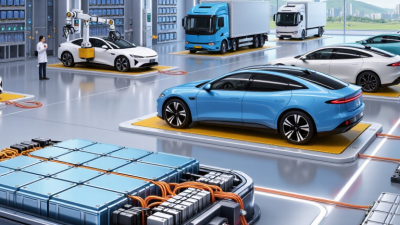
Picking out the best vehicle batteries from China isn't just about checking prices or capacity figures. China has really become a giant hub for battery manufacturing, with big names like CATL, BYD, Gotion High-Tech, and EVE Energy supplying batteries for everything from electric cars and buses to trucks and energy storage systems. But here's the thing: their products can vary quite a bit—they differ in chemistry, thermal management, how many charge cycles they hold, charging speeds, warranty support, and how consistently they can supply batteries. Dr. Shirley Meng, a well-known expert in batteries, once described the battery as “the heart of the electric vehicle.” Honestly, that analogy still fits pretty well. Your battery impacts how far you can go on a single charge, how well it performs in cold weather, how quickly it charges, safety, and even what it costs to keep the vehicle running over time. Keep in mind though, that a battery rated for 500 kilometers might not always hit that mark in real-world conditions—think winter, stop-and-go traffic, or when you're zooming at high speeds. Lab tests are helpful, sure, but they don’t tell you everything. This guide aims to help you navigate the top Chinese vehicle batteries, looking at practical factors such as lithium iron phosphate versus nickel-manganese-cobalt tech. We also consider manufacturing quality, battery management systems, independent testing results, after-sales support, and how well they fit different vehicles. For example, while CATL is a big player in terms of scale, BYD is known for designing batteries that are integrated seamlessly with their vehicles. That said, no list is perfect—just because a battery plant is massive doesn’t mean every model or market will get the same performance. Plus, info can get outdated really fast, so make sure to double-check the latest specs, warranty details, certifications, and repair options before you buy. Remember, the biggest battery isn't always the best choice. What matters most is finding one that's safe, reliable, and a good match for your specific vehicle.
Read more »
Sophia By:Sophia - October 1, 2026
China Top 10 Lithium Car Battery Manufacturers

China Top 10 Lithium Car Battery Manufacturers

China has really stepped up as a major hub for electric vehicle battery production these days. Lots of manufacturers are now serving both their home market and customers abroad. If you’re looking into Lithium Car Batteries, this guide highlighting China's top 10 brands can be a pretty handy starting point. It walks you through their products, what they’re capable of, and where they stand in the market. But keep in mind—just because a company is big doesn’t mean it’s automatically the best fit. We’re comparing these brands based on a bunch of factors—like how much they produce, the chemistry of their batteries, their research efforts, who they partner with, and what info is publicly out there. And here’s a little nugget from battery science expert Dr. Jeff Dahn: what really matters isn’t just energy density, but also how many charge cycles a battery can handle and how reliably it performs over time. So, don’t just focus on the fancy specs you see on the box. Real-world performance under repeated charging, temperature swings, and actual vehicle demands is what counts. The list includes brands like CATL, BYD, CALB, Gotion High-Tech, EVE Energy, Sunwoda, Farasis Energy, REPT Battero, SVOLT Energy, and Lishen Battery. Each one has a different lineup of products and business goals, so you can't really assume they’re interchangeable. Some companies share more technical info than others—trust me, that’s pretty important. Just a quick heads-up: this overview isn’t a lab test, and it doesn’t promise how these batteries will perform in the future. Public info can be incomplete, and specs can change. So, don’t treat this as a ranking set in stone. Use it as a starting point to dive deeper—reach out to the manufacturers directly to double-check current specs, certifications, warranties, and whether their batteries are actually right for your vehicle. When it comes to Lithium Car Batteries, taking the time to verify details beats relying on flashy claims any day.
Read more »
Liam By:Liam - September 26, 2026
China Top 10 ATV Battery Manufacturers for Global Buyers

China Top 10 ATV Battery Manufacturers for Global Buyers

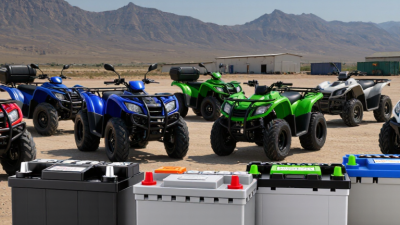
China’s ATV battery scene is quite diverse, featuring big-name lead-acid producers, specialized power suppliers, and some newer lithium battery startups. For buyers around the world, choosing the right ATV battery isn't just about finding the cheapest option. You really need to consider things like capacity, cold-start performance, how well it handles vibrations, charging behavior, and how long it’ll last out in the field—things that matter a lot when you’re actually riding. In this guide, I’ve looked at ten Chinese manufacturers, taking into account their production experience, technical know-how, quality systems, export readiness, and the variety of products they offer. Names like Tianneng, Chaowei, Camel Group, Leoch, Fengfan, Narada, Shoto, Sacred Sun, Chilwee, and BSB Power are all part of this overview, viewed from a practical, buyer-focused angle. These batteries aren’t one-size-fits-all—they’re suited for different uses like utility ATVs, fun recreational rides, farming equipment, or even fleet vehicles. For example, a compact AGM battery might be perfect for dusty, rugged trails, while a lithium battery could cut down on weight and give your starter a bit more punch. Just keep in mind things like terminal placement, case size, reserve capacity, and whether the charger you have will play nicely with the new battery—you definitely want to check these details before hitting 'buy.' Of course, manufacturers’ claims should still be taken with a grain of salt. Product pages can look super convincing, but real-world performance can vary from batch to batch, depending on climate or how you ride. It’s always a smart move to ask for test reports, warranty info, sample units, and clear shipping documents. If possible, do factory audits or get independent inspections—they can spot things that those glossy brochures might gloss over. Little details really do matter. Now, just a quick heads-up: this list isn’t a strict ranking. Someone who’s great at mass-producing lead-acid batteries might not be the top choice for lithium ones. And, similarly, a promising supplier might not have robust support for overseas customers—that’s something to be honest about. So, use this overview as a helpful comparison tool, but don’t forget to do your own technical reviews, test samples yourself, and keep an open mind for reassessing your options like a pro.
Read more »
Sophia By:Sophia - September 22, 2026
What Is a Lithium Battery and Which Type Is Best?

What Is a Lithium Battery and Which Type Is Best?

A lithium battery is all about moving lithium ions back and forth between two electrodes to store and release energy. That simple action powers pretty much everything—your phone, electric cars, medical gadgets, and backup power systems. But here’s the thing: when people say 'lithium battery,' they're usually talking about a whole family of batteries, not just one single type. The chemistry, build, how well they handle different temperatures, charging limitations, and safety features can all vary quite a bit. Dr. John B. Goodenough, the Nobel Prize-winning researcher famous for his work in this field, once said, ‘The lithium-ion battery has made the portable electronics revolution possible.’ And honestly, that still rings true. But if you’re shopping around today, you need more than just the history—it's about finding what really fits your needs. For example, lithium iron phosphate (LFP) batteries tend to be super stable thermally, last longer over many cycles, and don’t rely too much on costly metals. On the other hand, nickel manganese cobalt (NMC) batteries usually pack a higher energy density—great for vehicles and portable gear. Then there’s lithium titanate (LTO), which can charge super fast and handle loads of cycles, but it’s heavier and more expensive. No single chemistry is perfect everywhere—you’ve got to pick what matches your application. So, what’s the best option? Well, it really depends. If you're setting up a home energy system, you'd probably want something durable that doesn’t require constant upkeep. Electric vehicles might focus more on driving range, weight, cold-weather performance, and quick charging. Small gadgets—like wearables or portable devices—usually need compact storage above all else. Now, keep in mind, actual performance isn’t just about the battery itself—it also depends on things like how well the battery management system works, the quality of your charger, ventilation, and installation conditions. A battery cell might seem impressive on paper but could still disappoint if it’s packed into a poorly designed system. This guide is here to help compare the main types of lithium batteries, looking at practical evidence, engineering pros and cons, and what users actually expect. But, don’t forget to stay cautious. Labels often simplify complex chemistry, and lab tests don’t always match real-world use. So, the 'best' battery isn’t one-size-fits-all, but rather the one that offers the safest and most appropriate balance for your specific needs.
Read more »
Sophia By:Sophia - September 18, 2026
China Top PV Battery Manufacturers for Global Buyers

China Top PV Battery Manufacturers for Global Buyers

China has really established itself as a key player when it comes to reliable PV battery systems for buyers around the world. Whether it’s for homes, commercial setups, or big utility-scale projects, Chinese manufacturers like CATL, BYD, EVE Energy, Gotion High-Tech, Hithium, and Pylontech are offering a range of options—each with their own strengths. Some focus mainly on large lithium iron phosphate systems, while others are developing sodium-based solutions that are typically more affordable for certain applications. Professor Martin Green, a top researcher in photovoltaics, once said, “Solar photovoltaics is a technology for the future,” and honestly, his words still hold a lot of weight today. As energy storage becomes more essential—especially for evening use and managing unstable grids—buyers really need to pay attention to details like cell traceability, how well the system manages heat, usable capacity, cycle life, warranty terms, and whether remote monitoring is available. Factory testing? Super important. And so is having local technical support you can actually reach. But here’s the tricky part—not every popular supplier will be the perfect fit for every project. For instance, a containerized battery storage system will need different controls compared to a simple 12V household battery. Searching terms like 12V sodium battery, Starter battery, sodium ion battery, natrium battery, na ion battery, CCA battery, sodium battery, or cranking battery can be pretty confusing. Keep in mind, these aren’t interchangeable with grid-connected PV batteries. Before signing any contracts, you should double-check things like voltage compatibility, inverter support, safety certifications, and whether local service support is available. This guide gives an honest comparison of China’s top manufacturers based on practical factors—things like manufacturing experience, transparency in engineering, delivery performance, and after-sales support. But heads up: rankings can change. A factory that’s solid today might need more careful vetting tomorrow. So, always stay cautious and do your homework.
Read more »
Aria By:Aria - September 14, 2026
What Is the Best PV Battery in 2026?

What Is the Best PV Battery in 2026?

Picking the best PV battery in 2026 isn't just about going for the one with the biggest capacity. Honestly, it’s more about matching the storage to what your household really needs, the climate you're in, and how well the installation is done. Dr. Matthias Vetter from the Fraunhofer Institute for Solar Energy Systems (ISE) pointed out that “battery storage is becoming a key part of our energy system.” And you know what? That really rings true. A good, reliable system should store midday solar power and then deliver it after sunset, without overheating or wearing out too fast. When you’re choosing, don’t just look at round-trip efficiency, usable capacity, cycle life, warranties, or support; all of those matter. And yeah, brand reputation counts—but it doesn’t replace actually checking the technical details. Lithium iron phosphate batteries are still pretty much the benchmark for home storage. But, honestly, a sodium-ion battery might be better if you live somewhere colder, need to save a few bucks, or prefer materials that are safer. When you’re searching, you might see terms like 12V battery, sodium battery, natrium battery, or Na-ion battery. Just a heads-up—these aren’t all exactly the same products. And watch out for terms like starter battery, CCA battery, or cranking battery—they’re designed for quick engine starts, not for cycling daily solar energy. That part’s easy to overlook, but it’s pretty important. Sometimes, going smaller can actually be the smarter move. A fair hats-off comparison takes a close look at how much usable energy you really get, not just the marketing-speak capacity. You’ll also want to think about whether your inverter plays nicely with the battery, fire safety measures, recycling plans, and whether there are good local technicians around. Some predictions might hype up sodium batteries a bit too much, especially since early models haven’t been out in the field all that long. That’s a bit of a risk worth noting. Honestly, a well-installed, moderate-sized PV battery might outshine a cheaper, bigger-capacity system if the latter has poor controls, ventilation issues, or unclear warranties. Bottom line? In 2026, it’s probably not about picking one chemistry over another. The real win goes to the battery that just *works* reliably in your home, day in and day out.
Read more »
Sophia By:Sophia - September 11, 2026
Why Choose Off Grid Batteries for Reliable Power?

Why Choose Off Grid Batteries for Reliable Power?

Having reliable power when you're way out in a remote cabin—not connected to any utility line—is a total game-changer. A good off-grid battery can keep your lights on, your fridge cold, water pumps running, and communication gear working long after sunset. Think of it like storing up sunlight during the day and then using that energy when the clouds roll in. That simple cycle can totally change how you plan your days — instead of relying on noisy generators, you can just charge your phone next to a quiet inverter, which is kinda nice, right? Picking the right off-grid battery isn’t just about checking its claimed capacity. Things like the battery chemistry, how deeply you can drain it, the temperature it’s in, how fast it charges, and whether it works with your inverter all matter a lot in how it actually performs. Lithium iron phosphate batteries are popular because they last longer and give steady power, but they can still have issues if they freeze or get too cold. And making sure you have the right cables, good ventilation if needed, monitoring tools, and professional setup? Those little details are often overlooked, but trust me, they really shouldn’t be. A lesson from real-life off-grid projects? Energy needs aren’t constant. Sometimes your fridge kicks on suddenly, or your well pump draws a lot of juice all at once. Plus, if winter sunlight turns out to be weaker than you hoped, it can throw a wrench in things. That’s why it’s smart to plan for those peak loads, your usual daily power use, and have a backup for a few days just in case. Reliable brands like EcoFlow and Schneider Electric put out detailed specs that help you compare and make smarter choices. But don’t just take their word for it—double-check all the info against your local conditions and maybe even get some advice from independent sources. No battery is perfect, even one from a reputable maker. If it’s not sized correctly, gets too hot, or you neglect maintenance, performance can suffer. Routine checks and honest estimates of your actual power needs will always beat empty marketing promises. So really, the key is to base your battery choice on how you actually use power in your daily life, not just flashy specs on a sheet.
Read more »
Aria By:Aria - September 8, 2026
Best Lithium Solar Batteries for Your Energy Needs?

Best Lithium Solar Batteries for Your Energy Needs?

As the world moves more and more towards renewable energy sources, Lithium Solar Batteries are quickly becoming a must-have for anyone serious about living sustainably. I mean, if you’ve been keeping up with the news, you’ve probably seen that, according to a report from Lux Research, the demand for lithium battery storage is just skyrocketing — and it’s all tied to the explosion in solar energy installations. Honestly, these batteries are really pushing to be at the forefront of today’s clean energy solutions. Industry expert Dr. Sarah Johnson puts it nicely: “The evolution of Lithium Solar Batteries is crucial for energy independence.” Her words remind us just how transformative these batteries can be—boosting efficiency and helping us rely less on outdated fossil fuels. What’s pretty impressive is that these batteries can last over 5,000 charge cycles, which makes them pretty reliable and cost-effective in the long run. That said, it’s also important to be real about the challenges. Producing Lithium Solar Batteries isn’t perfect — there are environmental concerns and worries about limited resources. Finding that sweet spot between innovation and sustainability is a must if we want a bright future. So, as we explore our options, understanding both the perks and the limitations of these batteries will help us make smarter choices regarding our energy needs.
Read more »
Sophia By:Sophia - September 1, 2026
Top Off-Grid Battery Solutions for Sustainable Energy Needs?

Top Off-Grid Battery Solutions for Sustainable Energy Needs?

These days, with sustainable energy becoming more and more important, off-grid battery systems really show a lot of promise. They’re pretty game-changing tech that help people achieve energy independence—especially in those remote places where traditional power grids don't quite reach. As we check out some of the best off-grid batteries out there, it’s worth mentioning a few top players like Tesla, Battle Born Batteries, and LG Chem. Each of these brands has its own unique features and perks that suit different energy needs. The demand for reliable energy storage is only going up. Old-school energy sources are getting less sustainable and, frankly, kinda outdated. That’s where off-grid batteries come into play—they offer a solid alternative. They can help cut down on fossil fuel use and make energy more accessible to everyone. But, honestly, picking the right system isn’t always straightforward. Key things to think about include capacity, efficiency, and cost. Now, while off-grid batteries can totally be a game-changer, they’re not perfect. Some options can be pretty pricey, making them tough for wider adoption. Plus, setting them up can sometimes be more complicated than you’d think. So, it’s really important to weigh your options carefully and maybe get some expert advice. If we can address these challenges, off-grid battery solutions could become much more reliable and effective for those long-term energy needs.
Read more »
Sophia By:Sophia - August 27, 2026
How to Choose the Right Sodium Ion Battery for Your Needs?

How to Choose the Right Sodium Ion Battery for Your Needs?

Picking the right sodium ion battery for your needs isn't just a small detail—it's actually a pretty important step, whether you're working on a project, a vehicle, or some other application. Dr. John Smith, from Battery Innovations, puts it simply: "Choosing the right battery type really affects how long it lasts and how well it works." Understanding the differences between battery types can make a big difference in performance. Lately, sodium ion batteries are getting more attention because they’re cheaper and better for the environment. A lot of folks still don’t really know how sodium ion batteries stack up against regular ones. Some might not realize that even though they’re more budget-friendly, they might not be perfect for every situation. For example, opting for a 12V sodium battery might be ideal for certain uses, but not so much for others. If you're thinking about this, it’s a good idea to pay attention to factors like energy density and how many charge cycles the battery can handle before you decide. The storage capacity of sodium ion batteries can really vary, so it’s pretty important to think about what you actually need. I’ve talked to people who’ve had different experiences—some happy, some not so much. Not every application benefits from a sodium battery over, say, lithium-ion. So, as you delve into this world, whether you're considering a simple starter battery or a more complex setup, just keep these things in mind. It’s all about finding what works best for your specific needs.
Read more »
Sophia By:Sophia - August 24, 2026
Top 10 Solar Batteries for Efficient Energy Storage Solutions?

Top 10 Solar Batteries for Efficient Energy Storage Solutions?

As we move more towards renewable energy, solar batteries have really started to shine as a go-to solution for storing energy efficiently. They do a great job of helping us make the most out of solar power, and they also boost energy security for both homes and businesses. There are tons of companies out there pushing forward with new and improved solar battery tech — with promises of longer-lasting batteries and better energy retention, which is pretty exciting. Now, if you’re shopping around for the best solar batteries, you probably know it can get pretty overwhelming. There’s a huge variety of options — different capacities, efficiencies, and lifespans. Big names like Tesla, LG, and Sonnen are pretty much dominating the market, but don’t forget about some of the lesser-known brands because they sometimes come with cool features too. All these choices can feel a bit confusing at first, but honestly, it’s also an opportunity to find something that fits your specific needs. Picking out the right solar battery isn’t exactly a walk in the park — it takes some careful thinking. You’ve got to weigh your energy needs against your budget, of course. Some batteries are really good for daily use, while others are better if you’re mainly looking for backup power during outages. It can get pretty complex trying to evaluate all of that, and rushing into a decision could lead to mistakes. But when you find the right one? It can seriously boost your energy independence and make your home or business way more sustainable.
Read more »
Sophia By:Sophia - August 20, 2026
2026 Best Stackable Battery Solutions for Global Buyers?

2026 Best Stackable Battery Solutions for Global Buyers?

You know, as the world moves more and more toward sustainable energy options, it's no surprise that the demand for cool, advanced battery tech is really picking up. Take the Stackable Battery, for example—it's definitely making waves. According to a report from Grand View Research, the global battery market could hit around USD 426.8 billion by 2026. A good chunk of this growth comes from all the latest innovations in stackable designs, which are pretty awesome because they’re flexible, efficient, and easy to scale up. Dr. Emily Chen, who’s a real expert in energy tech, mentioned that “Innovations in stackable batteries are set to completely change the way we store energy.” Big names like Tesla and LG Chem are already throwing a lot of money into these solutions. The cool thing? These batteries can be expanded really easily, making them perfect whether you’re talking about a home setup or a big commercial project. Of course, it's not all smooth sailing—there are still some hurdles, like managing heat and extending battery lifespan, that need to be figured out. All in all, things look pretty promising, but if you're thinking about jumping in, it’s a good idea to think about what you actually need. The performance of stackable batteries can vary a lot depending on where you plan to use them. So, doing your homework and chatting with experts before buying is definitely recommended. The tech itself is evolving fast, but choosing the right one really means weighing your options carefully.
Read more »
Aria By:Aria - August 12, 2026