inquiry
Inquiry
Form loading...

Blog

Top Servo Rotary Turret CNC Lathe Manufacturers

Top Servo Rotary Turret CNC Lathe Manufacturers

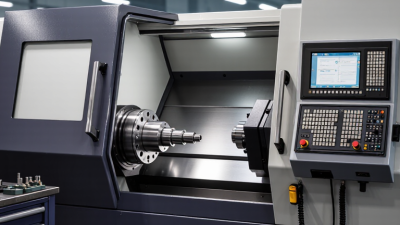
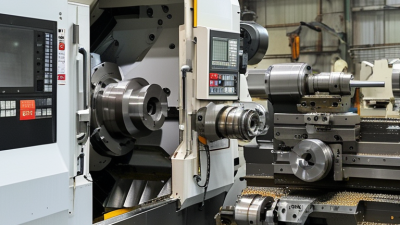
The global CNC machine market is still growing, and it's not hard to see why. Manufacturers want production systems that are faster, smarter, and more flexible. Grand View Research points to automation, digital monitoring, and precision machining as some of the main drivers here. And the numbers back it up: the International Federation of Robotics reported 541,302 industrial robot installations worldwide in 2023. That's a pretty clear sign we're moving toward connected production environments. In this shifting market, a Servo Rotary Turret Cnc Lathe can cut down tool-change time and improve repeatability in high-volume turning. But its real value isn't just about spindle speed. Turret indexing accuracy, servo response, thermal control, chuck stability, and service support often decide what happens on the floor. A machine can look great in a showroom. Put it next to a warm cutting-fluid tank, though, and it may tell a different story. Dr. Yoram Koren, a well-known authority on reconfigurable manufacturing systems, once said, “The future of manufacturing is in the development of reconfigurable manufacturing systems.” That idea still holds up when you compare major players like Mazak, Okuma, DMG MORI, Doosan Machine Tools, Haas Automation, and Nakamura-Tome. They each handle automation, control software, and machine rigidity in their own way. Still, no ranking is perfect. A premium brand doesn't automatically fit every workshop. Buyers should look at verified cycle times, tolerance records, operator feedback, and local technical support. Reports can give you useful market direction, but real factory evidence matters more. This guide compares top Servo Rotary Turret Cnc Lathe manufacturers based on engineering capability, documented reliability, application experience, and long-term ownership value. Some conclusions might need more testing, too. And honestly, that's a weakness worth acknowledging.
Read more »
Sophia By:Sophia - October 9, 2026
How to Choose a Slant Bed CNC Lathe?

How to Choose a Slant Bed CNC Lathe?

Picking out a Slant Bed CNC Lathe isn’t just about shopping around—it’s a real production decision. The right machine depends on so many factors: the material you're working with, how much you need to produce, the precision required, the tooling you have, and even the skill of the operator. Honestly, no shiny brochure can really tell you about every single limitation or nuance. According to Grand View Research, the global CNC machine market was valued at around USD 88 billion in 2023, and it’s expected to keep growing through 2030. On top of that, the International Federation of Robotics reported over 500,000 industrial robots installed worldwide in 2023. These numbers show just how much automation is taking off — but that doesn’t mean every shop needs to splurge on the most expensive lathe out there. Now, if we talk about the slant-bed design, it’s pretty cool because it can improve things like chip removal, machine rigidity, and how easily you can access the cutting zone. Those perks really come into play when you’re turning stainless steel, making repeatable shafts, or running long unattended cycles. Dr. Yusuf Altintas, a top expert in machining and author of Manufacturing Automation, puts it simply: “The machine tool is the heart of the manufacturing system.” So, choosing one should really start with what you actually need for your process. Get your facts straight. Check the spindle torque at the speeds you’ll be using. Look into the chuck size, bar capacity, turret stations, live tooling options, Y-axis travel — and make sure everything is compatible with your control system. It’s also a good idea to do actual cutting tests with your own material and tooling, rather than just relying on what the brochure says. A machine might look fast on paper but could end up wasting time during setup, inspection, or when it’s clearing chips. There’s no one-size-fits-all formula here. Sometimes a smaller machine will actually outperform a larger one if the programming, fixturing, and support are better suited to it. Before you get swayed by brands like Okuma, Mazak, Haas Automation, or Doosan, make sure to factor in the full cost of ownership. That includes maintenance, training, electricity, tooling, downtime, and even potential future upgrades or expansions.
Read more »
Sophia By:Sophia - October 4, 2026
China Top 10 Servo Rotary Turret CNC Lathe Manufacturers

China Top 10 Servo Rotary Turret CNC Lathe Manufacturers

China’s Servo Rotary Turret CNC lathe industry is really stepping up its game, becoming more competitive, precise, and geared toward exports. Manufacturers are now blending features like live tooling, servo-driven indexing, automatic bar feeding, and high-speed spindles—all aimed at tackling complex parts used in automotive, aerospace, medical, and general engineering fields. According to Fortune Business Insights, the global CNC machine market was valued at around USD 83.99 billion in 2023, and it's expected to grow quite a bit—up to about USD 137.33 billion by 2032. This growth definitely puts China in a strong position as a major manufacturing hub. But, honestly, size isn't everything. What's more crucial is the quality of manufacturing on the shop floor. Think about it: a turret that indexes accurately after thousands of cycles can save tons of time on inspection and rework—way more impactful in the long run. Yoram Koren, a well-known expert in manufacturing automation, once said, “The ultimate goal of flexible automation is to achieve mass production efficiency with batch production flexibility.” That pretty much sums up why modern factories are so into systems like Servo Rotary Turret CNC lathes. They make changing setups quicker while still being able to handle a wide variety of part geometries. But don’t get fooled by specs alone. A bigger motor doesn’t automatically mean better surface finish. Things like thermal stability, the quality of control software, service support, and operator training are just as important. In this guide, we’ll take a look at ten leading Chinese manufacturers, including big names like SMTCL, Dalian Machine Tool Group, Haitian Precision, and QCMT&T. We’ll compare their machine structures, turret capacities, servo performance, custom features, quality systems, export experience, and after-sales support. Keep in mind—there's no one-size-fits-all ranking here. Buyer needs vary a lot. For example, a small workshop might care most about the machine’s footprint, while an aerospace company might focus on micron-level repeatability and traceability for inspections. Ultimately, the best choice isn’t always the cheapest. It’s the machine that reliably delivers on your specific parts and requirements.
Read more »
Sophia By:Sophia - October 1, 2026
China Top 10 Big Bore CNC Lathe Factories?

China Top 10 Big Bore CNC Lathe Factories?

Picking the right factory from China's top 10 Big Bore CNC lathe producers isn’t just about comparing price lists—there’s a lot more to consider. You’ll want to look closely at things like spindle capacity, chuck diameter, guideway design, gearbox setup, and what their inspection records show. Just because a machine has a big swing doesn’t automatically mean it’s reliable for heavy-duty cutting—that’s a common misconception. John Saunders, who founded NYC CNC, once said, “The machine is only one part of the process,” and honestly, that rings true here. Buying a lathe with a super powerful spindle is great, but the real test is during continuous operation. Try watching the machine cut through a thick steel pipe—listen for any vibrations, check how smooth the surface finish is after a few passes. Those small details can reveal big weaknesses that you might otherwise overlook. In this guide, I’ve looked at ten Chinese manufacturers who work with industries like oil & gas, energy, transportation, and general engineering. I’ve considered their experience, support services, customization options, quality control standards, delivery reliability, and how they handle after-sales service. Visiting their factories and chatting honestly with current users is pretty important too—it gives you a real sense of what’s what. Sure, some suppliers may boast about impressive specs on paper. But don’t get fooled—performance can often fall short of the marketing hype. So, it’s worth digging a little deeper. A trustworthy big bore CNC lathe supplier should be upfront about tolerances, provide test-cut examples, share electrical documentation, and support you with replacement parts. It’s also key to find out if they offer installation training. Honestly, regional service capabilities might matter even more for uptime and smooth operation than a tiny discount on the price. No ranking setup is perfect, because every shop’s needs differ. If you’re making big flanges, rigidity might be your top priority. But if you’re working with long pipes, bore size and automation options could be more important. Ultimately, the right choice depends on what material you’re working with, the length of your pieces, tolerance requirements, and your daily workload. Think of this as a helpful starting point—just remember, technical vetting is essential before making any final decisions.
Read more »
Sophia By:Sophia - September 23, 2026
What Is a Slant Bed CNC Lathe and How Does It Work?

What Is a Slant Bed CNC Lathe and How Does It Work?

So, what exactly is a Slant Bed CNC Lathe? Think of it as a computer-controlled turning machine, but with a twist—the bed is tilted behind where the cutting happens. This tilt isn’t just a design choice; it actually helps with chip ejection—fancy way of saying the chips fall away from the work area instead of piling up around the tool or chuck. Plus, it can make things more rigid, give better visibility, and make automated loading a whole lot easier. Imagine hot metal chips sliding down a smooth steel slope, while coolant flows back towards the filtration system—that’s the visual, at least. The design may look simple on the surface, but how well it performs really depends on factors like spindle power, guideway quality, tooling, and how you program it. According to Grand View Research, the global CNC machine market was valued around USD 83.31 billion in 2023—and experts expect it to keep growing through 2030. Now, that number covers the whole CNC market, not just slant-bed machines, but it does show that manufacturers are investing more and more in faster, more accurate turning systems. Dr. Scott Smith, a well-known researcher in machining and co-author of CNC Machining Technology, hits the nail on the head when he says: “Machine tools must provide rigidity, accuracy, and repeatability to produce quality parts.” That’s exactly what a slant bed CNC lathe aims for with its inclined structure. It generally means shorter setups, better chip control, and more consistent results. But—here’s the thing—it’s not a magic fix. If workholding isn’t right, or the tooling isn’t suited, or the cut conditions are unstable, accuracy can suffer pretty quickly. So, in this guide, we’ll dig into how this design actually works, where it really shines, and what questions you should ask before you decide to go with one.
Read more »
Sophia By:Sophia - September 20, 2026
What Are the Top Big Bore CNC Lathe Factories in China?

What Are the Top Big Bore CNC Lathe Factories in China?

When you're trying to pick a Big Bore CNC lathe factory in China, it's really more than just comparing prices or looking at those glossy catalog pics. Sure, those matter, but you also wanna dig into their machining experience, how deep their engineering know-how runs, and what kind of inspection systems they have in place. Oh, and don’t forget about their after-sales support—that can make or break your experience. Bigger names like Shenyang Machine Tool, Dalian Machine Tool Group, Qinchuan, and Beijing No.1 are often good places to start, but keep in mind, their capabilities can vary quite a bit from one product line or factory site to another. A solid supplier should be able to clearly explain details like spindle bore size, max turning diameter, chuck capacity, bed construction, and spindle power—no vague answers here. It’s a good idea to ask for test-cut samples or records to get a real feel. Also, review their dimensional reports, machine calibration docs, and the brands of parts they use. A serious manufacturer should be able to show you how their machines handle long pipes, heavy shafts, or interrupted cuts without trembling like a tuning fork. The little things matter too—don’t overlook the chip conveyor, for example. This guide is all about comparing Chinese manufacturers based on real, practical criteria—not just marketing talk. We look at factory size, how flexible they are with customization, their export track record, their tech support, and how reliably they deliver. Sure, a good reputation helps but don’t take it as gospel. Sometimes online info is outdated, overly polished, or just plain false. It’s worth taking a closer look—verify current certifications, visit their factories if you can, and ask for references from guys who are actually using their equipment. Keep in mind, smaller factories might be quicker on customization and flexibility, while bigger ones might have more comprehensive documentation and better support networks. Ultimately, the best choice depends on what you’re working with—material, size of workpieces, production volume, needed tolerances, and whether you need local support. So, do your homework—they all require some careful checking to get it right.
Read more »
Emma By:Emma - September 16, 2026
Top Big Bore CNC Lathe for Sale Prices and Suppliers

Top Big Bore CNC Lathe for Sale Prices and Suppliers

Choosing a Big Bore CNC Lathe isn't just about comparing prices from the catalog. You really gotta dig into specifics like the spindle bore, chuck capacity, max turning diameter, motor power, and whether it can handle bar feeding smoothly. These little details are what decide if that machine can reliably process thick-wall pipes, large shafts, or handle steady production runs. For example, having a 12-inch spindle bore might look pretty impressive, but if it doesn’t have enough torque, it can be pretty useless for serious work. So, yeah, specs are important, but context is everything. Industry folks agree—it's smart to take a cautious approach here. Groups like the Association for Manufacturing Technology (AMT) keep tabs on how much machine tools are being bought in the US and show how investments shift with manufacturing trends. Meanwhile, Gardner Intelligence’s World Machine Tool Survey compares production, consumption, and trade around the world. Here’s the thing though—there's no one-size-fits-all “best” machine. Things like regional service support and delivery times matter just as much. In this guide, I’ll walk you through different Big Bore CNC Lathe models, what they typically cost, and who the reliable suppliers are. Whether you're looking at new machines, used ones, or even custom setups, I’ve got you covered. When it comes to choosing a supplier, it’s important to check their track record—installation history, spare parts availability, training support, and how they handle after-sales service. Companies like Haas Automation, Mazak, Doosan, and SMTCL each target different needs and budgets. That said, don’t just go by the listed prices—they don’t tell the whole story. Things like tooling, shipping, installation, software, and import taxes can add up quickly, and often they're not included in the quote. So, always ask for a detailed, written quote that breaks down every option. In the end, making a good comparison comes down to real-world needs and the kind of work you actually do, not just shiny numbers or attractive headlines.
Read more »
Emma By:Emma - September 12, 2026
What Are the 2026 Best Big Bore CNC Lathe Factories?

What Are the 2026 Best Big Bore CNC Lathe Factories?

Choosing the best Big Bore Cnc Lathe factories for 2026 isn't just about glancing at catalog photos or checking spindle diameter claims. Honestly, a big-bore machine has to do more than look big—it needs to stay accurate when cutting through heavy steel, long shafts, pipe fittings, or oversized flanges. In real-world terms, you’ll want to look into things like spindle power, chuck capacity, bar passage, guideway design, thermal stability, and how solid the after-sales support is. These little details are what truly determine if a machine can handle a demanding 12-hour shift without hiccups. And let’s be real—what you see on paper doesn’t always match what’s happening on the shop floor. In this guide, we’ll take a closer look at major players like Okuma, Mazak, DN Solutions, Haas Automation, and SMTCL. But don’t forget, regional specialists might be a better fit depending on your specific needs. Machines from different brands often vary a lot when it comes to rigidity, control systems, automation features, and support networks. Just relying on marketing claims can be risky—sometimes a Big Bore Cnc Lathe may not keep up with the cycle stability you’re expecting, especially if tooling, foundation work, or operator training aren’t up to speed. That’s an uncomfortable truth, but a factory's reputation alone doesn’t guarantee success. We’ll compare specs, real-world application experience, quality standards, customization options, delivery times, and the overall lifecycle costs. Whenever we can, we’ll try to differentiate between verified performance and marketing talk. Don’t forget to ask for actual cutting demos, inspection reports, references, and clear warranty details. Visiting the factory can really give you a sense of how things are assembled, tested, and how ready they are with spare parts. But keep in mind, choosing the right machine isn’t a one-and-done deal. Factors like steel grades, labor skills, energy costs, and regional support are always changing. Ultimately, the best choice is the factory that consistently delivers dependable results for your specific tasks—not just the one shouting the loudest. It’s all about finding the right fit for you, not just the biggest or fastest pitch.
Read more »
Sophia By:Sophia - September 8, 2026
What is Okuma Multus U3000 Horizontal Lathe and Why Choose It?

What is Okuma Multus U3000 Horizontal Lathe and Why Choose It?

The Okuma Multus U3000 Horizontal Lathe is honestly a pretty impressive piece of equipment in the world of modern machining. This machine isn’t just about fancy tech — it mixes versatility with a real sense of precision, which is a big deal. When manufacturers are all about improving efficiency, picking the right lathe really becomes a game-changer. The Okuma Multus U3000 definitely catches the eye because it can handle multiple tasks at once. That means you can do a bunch of different operations without wasting time or switching machines all the time — pretty neat, right? In today’s super competitive market, having reliable technology is more than just a bonus — it’s kinda necessary. The Okuma Multus U3000 not only offers solid reliability but also adapts to a variety of needs. It’s packed with features that can boost your productivity. That said, it's important for users to really think about what they need from a machine — this one is great but might not be perfect for every single project. Anyone who’s been around the block knows that understanding how your tools work is key. Picking an Okuma Multus U3000 means you’re putting quality and performance first. It shows you’re serious about innovation in your manufacturing process. Of course, it’s still smart to carefully weigh your specific requirements before making a move. The right lathe can seriously level up your efficiency and give you better results overall.
Read more »
Olivia By:Olivia - August 24, 2026
2026 How to Choose Between Horizontal and Vertical Turret Lathes?

2026 How to Choose Between Horizontal and Vertical Turret Lathes?

Deciding between horizontal and vertical turret lathes isn’t always a walk in the park. Honestly, it depends a lot on what you’re trying to do. John Smith, a pretty well-known guy over at Precision Machinery Corp, mentions, “Knowing the difference between these two types of lathes is key if you want your operations to run smoothly and efficiently.” That really hits home across the industry because making the right choice is pretty crucial. Now, horizontal turret lathes are great when you’re working with long, thin pieces. They’re super stable and great for doing the same job over and over again without fuss. On the flip side, Cnc Vertical Turret Lathes are better suited for tackling heavier, bulkier parts. They’re usually easier to operate, especially when dealing with complex shapes. Both types have their own strengths — it really just boils down to what you need. But here’s the thing: the best choice really depends on your specific situation, which can be pretty subjective. Taking some time to analyze your production needs and workflow can definitely help you make a smarter decision. When comparing machines, don’t forget to look beyond just the specs — think about your long-term goals too. Balancing cost, productivity, and precision is the key. Poking around these factors a bit more can make a big difference in picking the right machine and keeping your operations running smoothly.
Read more »
Sophia By:Sophia - August 20, 2026
How to Identify Leading Horizontal CNC Lathe Manufacturers?

How to Identify Leading Horizontal CNC Lathe Manufacturers?

When it comes to precision machining, figuring out who the top Horizontal Cnc Lathe manufacturers are can be pretty important. Industry pro John Smith, who's a well-known analyst at Machining Today, puts it simply: "Quality and reliability are what really set the best players apart in the CNC lathe game." That really highlights how crucial reputation is in such a competitive industry. The leading brands are always pushing the envelope, coming up with new ways to boost accuracy and efficiency. Companies like Haas Automation, Mazak, and DMG Mori—everyone knows they’re on top with some pretty advanced tech. But, let's be honest, the market’s pretty crowded. Just because a brand claims to be the best doesn’t automatically mean they actually deliver. It’s really worth doing your homework—check out their history, see what users are saying, and not just go by big names alone. Getting a good grip on the horizontal CNC lathe scene means doing some digging. Don't forget to consider things like customer service, warranty policies, and after-sales support. You're going to come across a lot of marketing hype about cutting-edge features, but sometimes the real-world results are a different story altogether. So yeah, it’s super important to look past the fancy ads and get honest opinions from folks who've actually used the machines. That way, you’re making a smarter, more informed choice rather than just going with the popular brand.
Read more »
Olivia By:Olivia - August 6, 2026