Immigration law can change the direction of an entire Haitian family. A TPS decision can determine whether someone can work legally. A visa delay can separate relatives. A deportation policy can send fear through a community. A person in Haiti may make life decisions based on what relatives abroad believe is possible. That is why immigration is one of the most consequential subjects on this site.
This section follows U.S. immigration developments as well as migration issues involving the Dominican Republic and other countries where Haitians live. The goal is to explain what changed, who may be affected and where readers should look for authoritative information.
Haitian TPS is a good example of why dates and official sources matter. Over the years it has been extended, redesignated, shortened, terminated, challenged in court and affected by changing government policy. An article that was correct at publication can become outdated after a new notice or court decision. For current status, readers should verify information directly with USCIS, DHS or another authoritative source and seek qualified legal advice for an individual case.
Immigration is also bigger than TPS. Family petitions, asylum, humanitarian programs, work authorization, removal proceedings and travel documents can all affect Haitian communities. In the Dominican Republic, migration enforcement and documentation raise a different set of questions.
I want this category to help readers understand the issue without turning legal uncertainty into panic. Headlines should be specific, dates should be visible and rumors should never substitute for official information when someone's status or ability to travel is at stake.





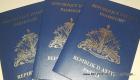 Countries Haitians Can Visit Without a Visa: Haitian Passport Guide
 Wait... Haiti's "Gourde" Comes From the Spanish Word "Gordo"?
 Stanley "Tantan" Toussaint Arrested in Florida on DUI and 100+ MPH Speeding Charges
 Haiti Hospital Saint-Francois de Sales Rebuilt and Inaugurated Thursday