1const n=`--- 2imports: 3 - https://cdn.jsdelivr.net/npm/@opral/markdown-wc-doc-elements/dist/doc-columns.js 4 - https://cdn.jsdelivr.net/npm/@opral/markdown-wc-doc-elements/dist/doc-card.js 5--- 6 7> [!NOTE] 8> Upvote issue [#72](https://github.com/opral/inlang-fink/issues/72) to prioritize a full release of Fink on the inlang sdk v2. 9 10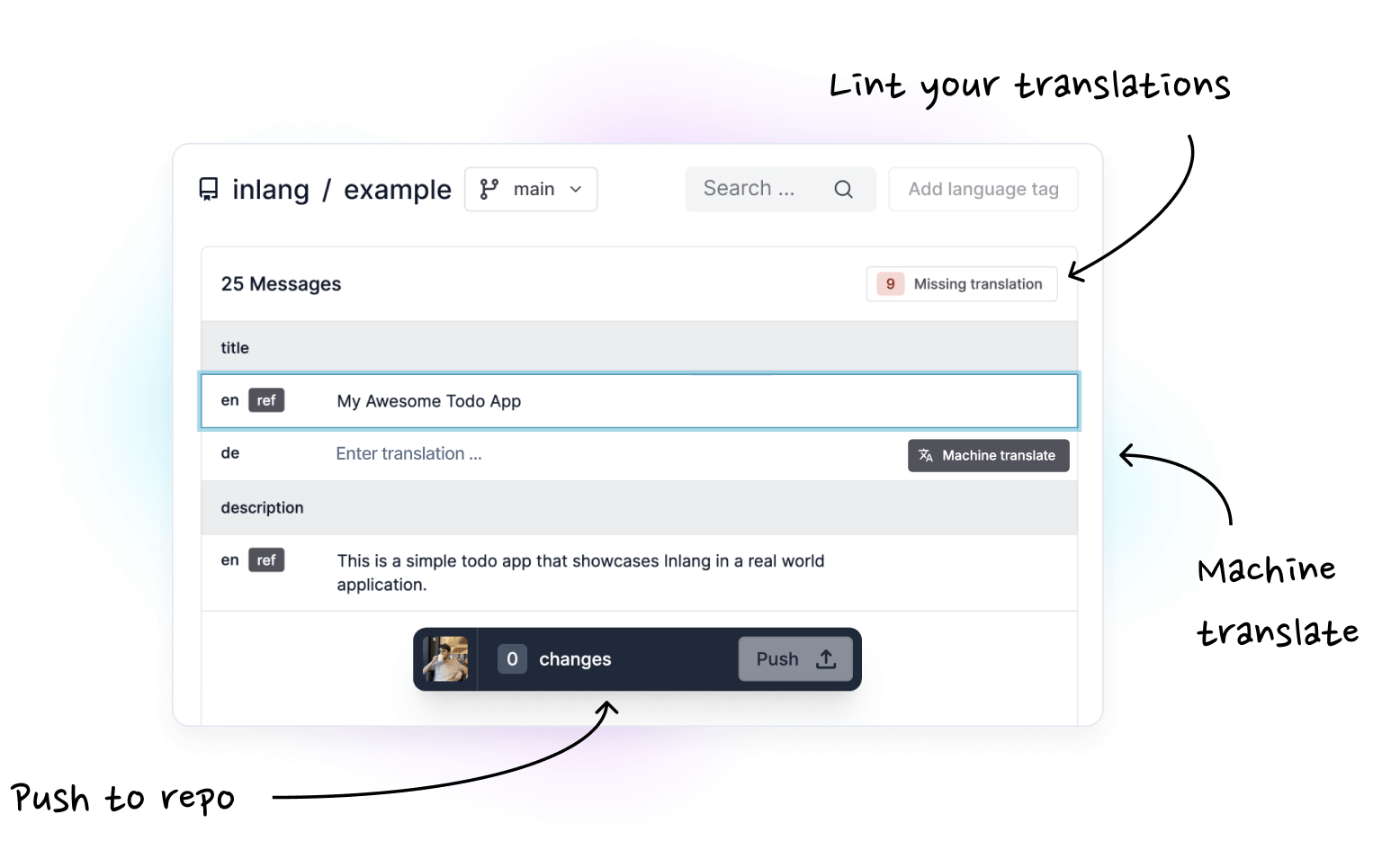 11 12## Why use Fink? 13 14<doc-columns cols="3"> 15 <doc-card title="Edit messages visually" img="https://cdn.jsdelivr.net/gh/opral/inlang/packages/fink/assets/editor01.png"></doc-card> 16 <doc-card title="Collaborate using version control" img="https://cdn.jsdelivr.net/gh/opral/inlang/packages/fink/assets/editor02.png"></doc-card> 17 <doc-card title="Ensure quality with lint rules" img="https://cdn.jsdelivr.net/gh/opral/inlang/packages/fink/assets/editor03.png"></doc-card> 18</doc-columns> 19`;export{n as default};
Line numbers count LF bytes from the start of the resource, as the search results do. Vendor segments are library code the classifier recognised; they are stored but not indexed. Bytes are shown as Latin1 characters, one per byte.